
São Miguel is the Azores island that makes family travel feel gloriously outdoorsy: crater lakes, steaming ground, warm pools and whales beyond the harbour. But here’s the real truth: the weather is changeable, driving takes longer than the map suggests, and a boat trip or island-hopping flight is not a casual add-on.
The good news? You don’t need to hop between islands to have a full, memorable trip. São Miguel alone deserves a week.
The 60-Second Verdict
Give it time: plan for five to seven days on São Miguel. Don’t squeeze it into a rushed island-hopping itinerary.
Make the weather work for you: keep your plans flexible. A cloudy viewpoint can clear; a rainy day is a good excuse for a hot spring.
Pick the right boat: for most families, choose a catamaran for whale watching, steadier, with a toilet. Check the operator’s current price and minimum age.
Prioritize the classics: Sete Cidades and Furnas are the big landscape days. Ponta Delgada is a practical base, not the whole show.
Rent a car or book transport: a car gives you the easiest access to the island’s scattered sights. Reserve child seats ahead.
São Miguel is the family trip, not just an island stop
The Azores are an Atlantic archipelago belonging to Portugal, but São Miguel has enough variety to feel like several holidays stitched together: a city break in Ponta Delgada, a drive across green volcanic hills, and a soak in a naturally heated pool.
The trade-off is infrastructure. You’re not moving between a string of big, easy-to-reach cities. Many of the best sights are spread around the island, and public transport may not fit the day you have in mind. For most families, a rental car is the simplest way to get around. Book child seats early, and leave generous time for narrow, winding roads and unplanned photo stops.
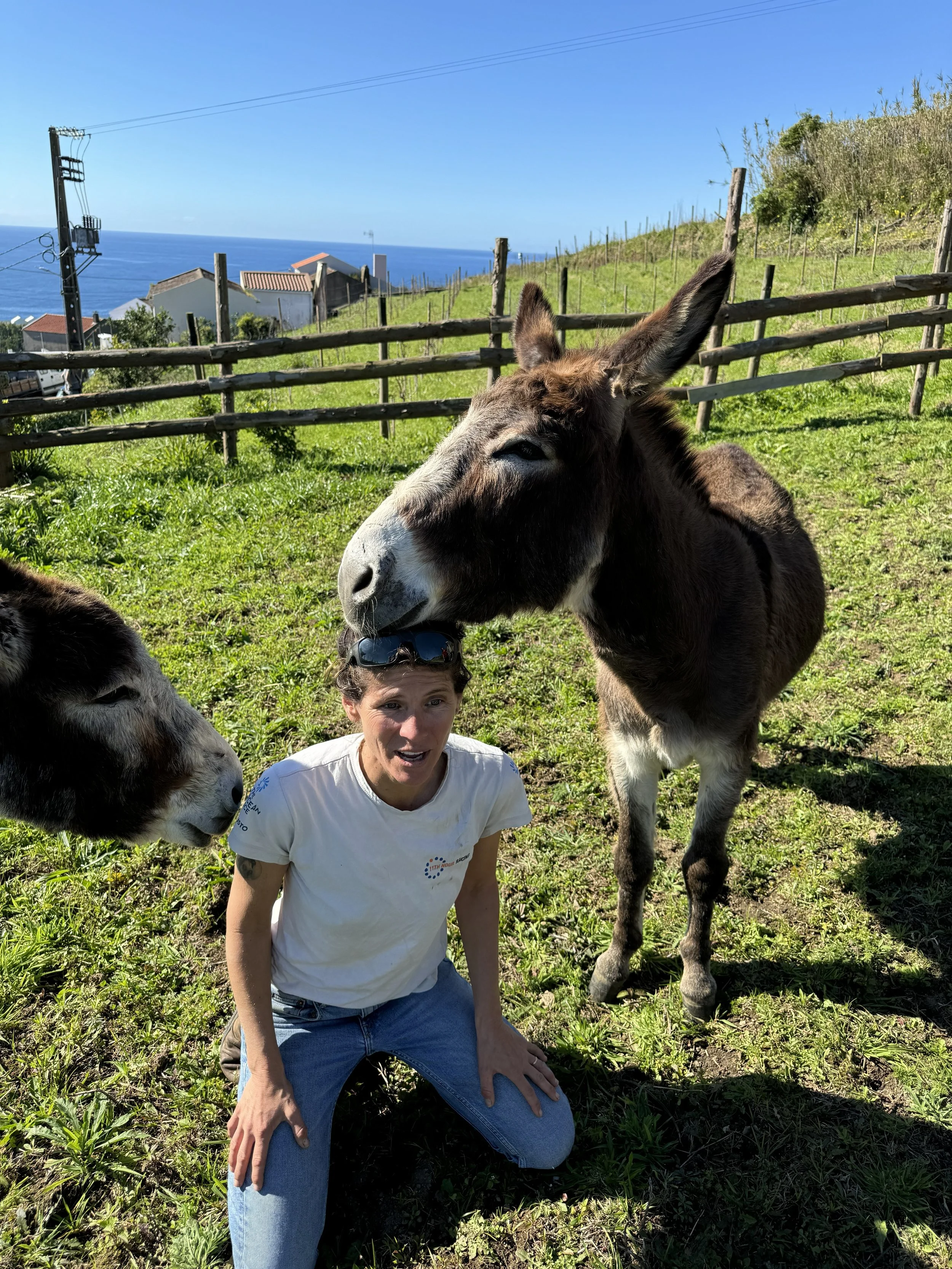
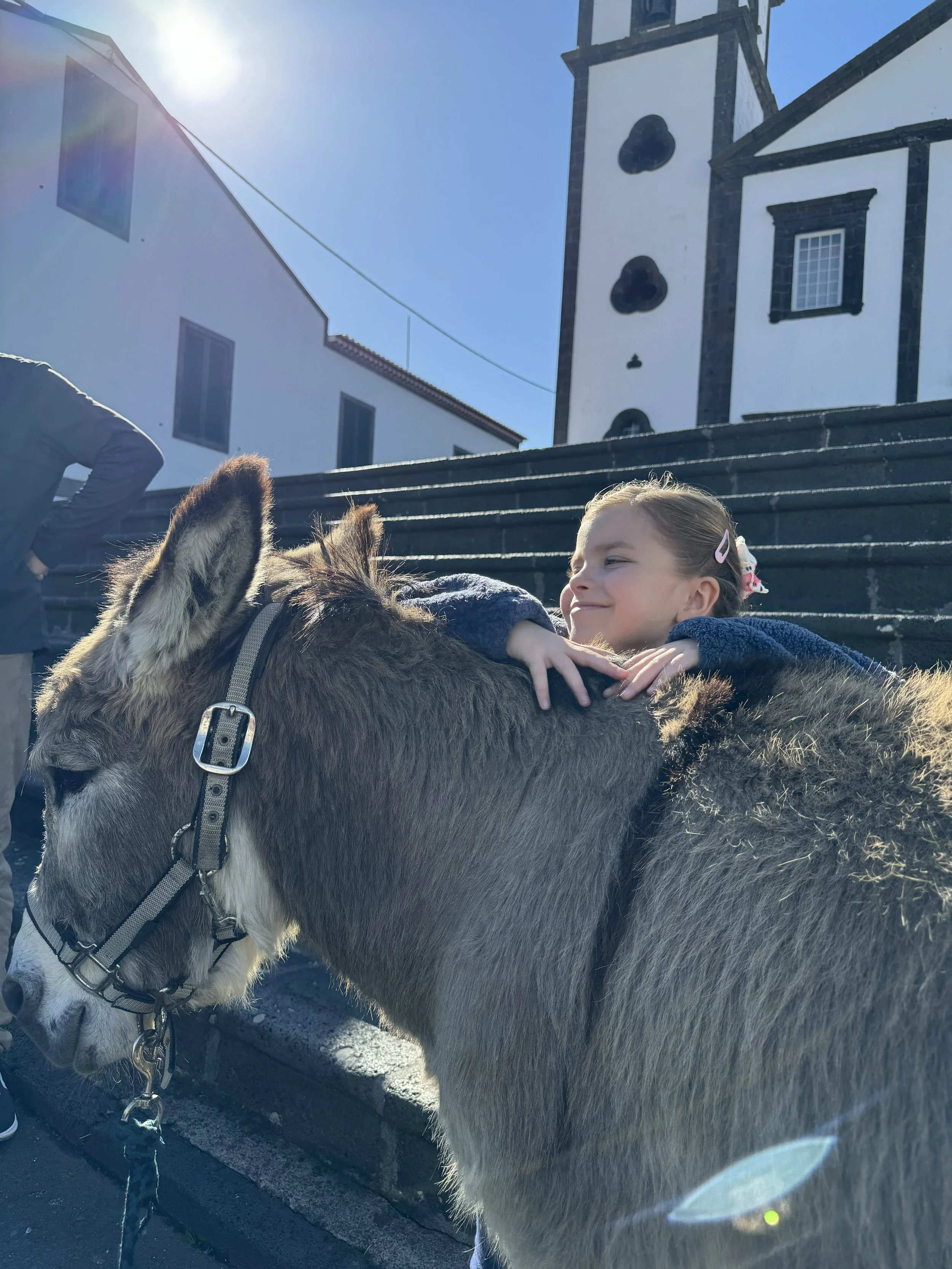
If you’re weighing the island against a mainland trip, our guides to Portugal with kids, Lisbon with kids and Porto with kids cover very different kinds of family days. São Miguel is the one to choose if your crew would rather walk donkeys than spend the whole holiday in a city.
Ponta Delgada is a useful base, not the whole story
Ponta Delgada is where many families start: it has everyday services, places to eat and the marina, where whale-watching trips depart. It’s worth spending time here, especially on arrival or during a weather pause. But the island’s headline experiences are beyond the city.
A car makes it much easier to combine the west, centre and east of São Miguel without turning each day into a transport puzzle. If you’d rather not drive, organized trips can take the planning off your hands. Just check what’s included, how much time is spent on the road, and whether the pace suits your children.
Where to stay: For an easy first visit, look around Ponta Delgada or Ribeira Grande for services and a central-ish base. If you’d rather wake up closer to the geothermal landscape, consider a stay near Furnas, but expect more driving for other parts of the island. Our honest recommendations - spend a few days in Ponta Delgada or Ribeira Grande and a night or two in Furnas to get the best feel for the island.
Sete Cidades looks like a postcard, and the cloud can edit it
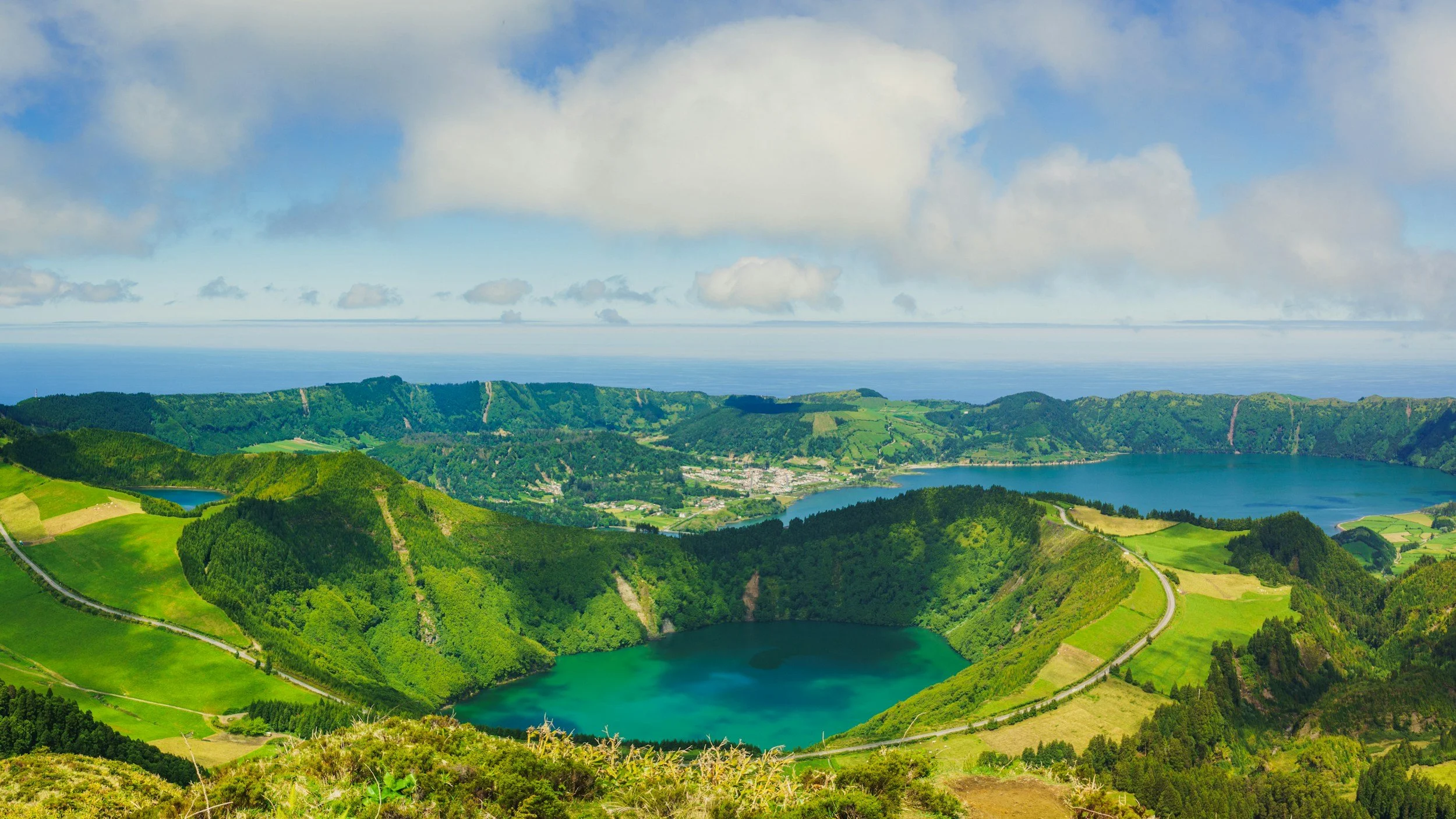
The twin crater lakes at Sete Cidades are one of the great things to do in Azores, and one of the clearest examples of why you need a flexible plan. From a high viewpoint, the blue and green water sits inside a vast volcanic crater, with a small settlement tucked below. On a clear day, the view is striking. In low cloud, the lakes can disappear behind a wall of grey. That’s not a bad-luck exception; it’s part of visiting a green Atlantic island.
Go earlier in the day if the forecast looks promising, but don’t assume the first view is the final one. Check conditions before setting off and give the cloud time to shift. For families, a quick viewpoint visit is the minimum; a half-day lets you take in more than one perspective without trying to race around the crater.
A jeep or minibus tour is a good fit if you’d rather let someone else handle the bends, viewpoint decisions and local context. It’s also an easy way to make the drive feel like part of the day, rather than just the transfer.
Book it:
Buggy Tour: Sete Cidades Volcano Off-Road Adventure
São Miguel West: Van Tour with Sete Cidades & Lagoa do Fogo
Read the official overview of the Protected Landscape of the Sete Cidades Lake before you go. If the ridge is socked in, don’t spend the whole day waiting for a view. Swap the order of your plans and return if the skies open.
Furnas is where the island starts to steam
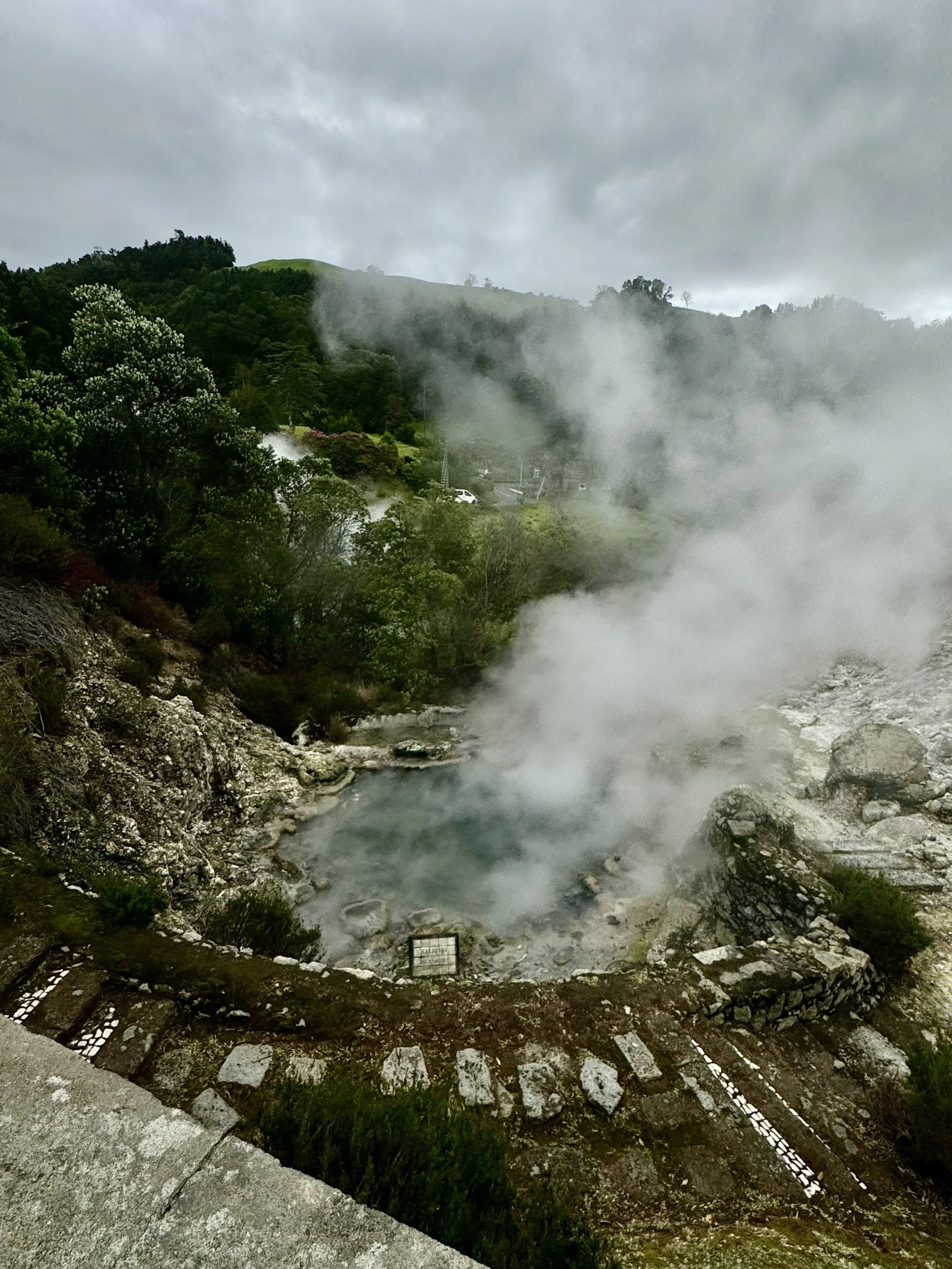
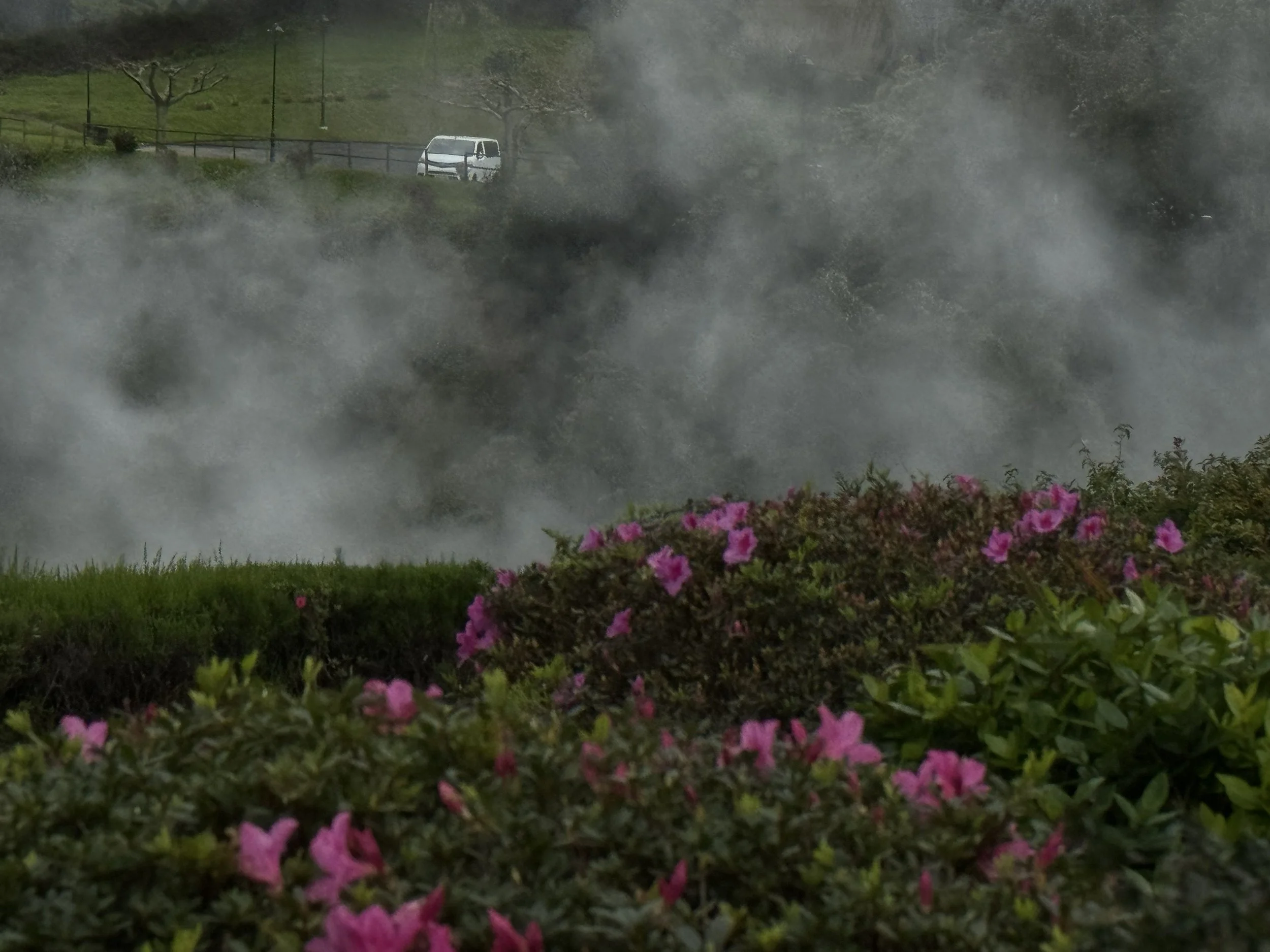
Furnas feels less like a viewpoint stop and more like a working volcanic landscape. You may smell the sulphur before you see the steam rising from the ground. Around the lake and the village, geothermal activity is part of daily life, not a theme-park effect.
Families can watch the steam vents and caldeiras, then build a slower day around the area’s hot springs and the local cozido lunch tradition (a dish cooked using geothermal heat). It’s a genuinely good rainy-day plan: mist and light rain make the warm pools more inviting, not less. For the whole experience, allow most of a day rather than trying to squeeze Furnas between two distant stops.
Terra Nostra and Caldeira Velha are among the island’s best-known hot-spring options. Conditions and access can change, so check official visitor information before travelling. Pack dark swimwear: mineral-rich water can leave pale fabric stained. Bring a towel, a warm layer for afterwards and water shoes if your family prefers them. Supervise children closely around pools and geothermal areas, and stick to marked paths near hot ground.
Want the outing organized around the hot springs and lunch? A tour can spare you the work of coordinating stops and driving.
Book it:
São Miguel East: Van Tour with Furnas & Nordeste
The official Furnas Valley guide explains the valley’s geothermal landscape. Check local rules, pool conditions and access details before you go, don’t rely on an old timetable.
Whale watching is a highlight, but seasickness is not optional information
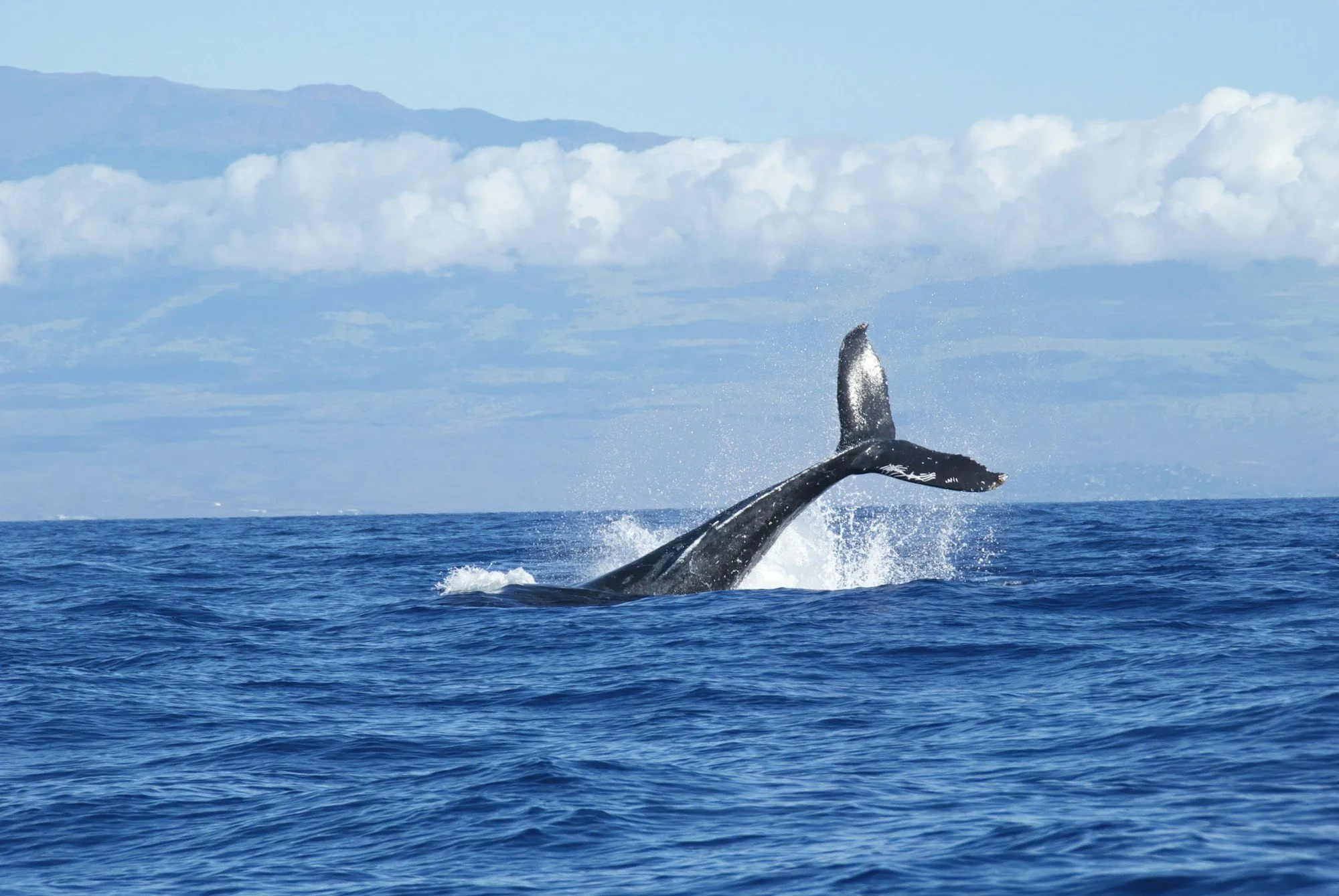
Whale watching from Ponta Delgada runs year-round. Sperm whales are resident throughout the year; the best window for migratory blue, fin and sei whales is April to June. From July to September, seas are typically calmer and dolphin sightings are most common. There are no guarantees. Wildlife is wild, and sea conditions can affect departures.
For some families, a larger boat is the sensible choice: it’s more stable than a fast zodiac and has a toilet. Zodiacs can feel quicker and closer to the water, but often have a minimum age of around six. Check the operator’s current price and minimum age before booking. In Ponta Delgada in 2026, adult prices are roughly €70–€75, with children around six to 12 commonly half price and some operators carrying under-sixes free.
Pick a morning when your family is feeling fresh, and ask the operator what to bring. If anyone is prone to seasickness, speak with a pharmacist about appropriate remedies before the trip. A whale-watching outing is an excellent shared adventure, but three hours at sea can feel long for a tired or queasy child.
The official Azores whale-watching information is a useful starting point for understanding the activity and finding specialist operators.
Book it:
São Miguel: Whale-Watching Cruise with Marine Biologist
If you want to combine a boat trip with time around Vila Franca do Campo and its offshore islet, look at a combo tour. The islet is a natural swimming spot, not a guaranteed calm-water day: check sea conditions, access and age suitability first. This option makes the most sense for families with a full day to spare and children comfortable around boats and open water.
Book it: Azores Whale Watching & Islet Boat Tour w/ Marine Biologist
When should you go? Choose your weather trade-off
There isn’t a season when São Miguel becomes reliably sunny. The island is wet and changeable; fog, wind and showers can interrupt plans in any month. The upside is the lush scenery. The downside is that the viewpoint you drove across the island to see may be hiding when you arrive.
For a balance of milder weather and manageable crowds, consider May, June or September. April to June is the strongest window for migratory whales. July to September brings the calmest seas and most dolphin sightings, but summer is busier. and very hot Autumn and winter can still be rewarding, particularly for hot springs and lower-key sightseeing, but build in more flexibility.
Pack for a mix of conditions: a waterproof jacket, layers and comfortable shoes with grip. The mountain regions can get quite cold even if valleys are in the 70’s. Check forecasts and local updates on the day, especially before heading to exposed viewpoints or booking an activity on the water. The best time to visit Azores depends on which matters most to your family: whale migrations, calmer seas, fewer people or simply the dates you can travel.
Rainy days don’t have to mean a lost day
Here’s the part many guides skip: rain is not a freak interruption here. It’s one reason the hills are so green. The better plan is to keep a couple of flexible activities in reserve and switch days around when the weather turns.
Try a Furnas hot-spring day in light rain, or spend time in Ponta Delgada with a relaxed meal and a wander through town. You can also look for indoor visits and local activities, checking current access and opening details directly before setting out. If the forecast is foggy, don’t make a high crater viewpoint the one non-negotiable activity of your trip.
There’s no need to fill every wet hour with a paid excursion. A slow lunch, a warm pool and time to dry out can be the day everyone remembers, especially if the alternative is coaxing tired kids through one more windy lookout.
How many days do you really need?
Five days gives you a useful first taste: time for Sete Cidades, Furnas, a whale-watching trip and a couple of open days that can move with the forecast. Seven days is a better pace for families, with room for a slower day, a weather change or another side of the island.
Could you visit in three days? Yes, but you’ll need to choose carefully and accept that a cancelled or clouded-out activity may not fit back in. We’d avoid treating São Miguel as a quick stepping-stone between islands. Inter-island flights cost real money, and travel days take time from the experience. If another island is a priority, plan the transfers and budget deliberately. Otherwise, stay put and get to know São Miguel properly.
Family questions about São Miguel, answered
Is São Miguel good for kids?
Yes. It’s a strong choice for families who enjoy outdoor days, hot springs and wildlife. The main challenge is changeable weather and getting between sights, so plan flexibly and allow plenty of time.
How many days should a family spend on São Miguel?
Five to seven days is a good target. A week gives you the best chance to adjust plans when weather or sea conditions change.
Is whale watching in São Miguel suitable for children?
Yes, for many children. A catamaran is generally the family-friendly option because it’s steadier and has a toilet. Check the operator’s current minimum age and consider whether your child is comfortable on the open sea.
What is the best time for whale watching in the Azores?
April to June is the best window for migratory blue, fin and sei whales. Sperm whales are resident year-round, while July to September typically brings calmer seas and more dolphin sightings.
Do you need a car on São Miguel with kids?
For most families, yes. A car makes it easier to reach the island’s sights at your own pace. If you don’t want to drive, organized tours can cover major stops; check their route and time in transit before booking.
What should we do in São Miguel when it rains?
Switch the plan, not the whole holiday. Furnas and its hot springs can work well in light rain; keep viewpoint days flexible and check conditions before making the drive.
The best São Miguel plan is the one with room to change
São Miguel is not a guaranteed-sunshine, tick-off-the-sights kind of trip. It’s better than that, and more weather-dependent. Give Sete Cidades and Furnas the time they deserve, book a catamaran if whale watching suits your family, and keep a spare plan for the day the cloud rolls in.
Our straightforward recommendation: spend a week on São Miguel before adding another island. You’ll have time to see the big landscapes without rushing, enjoy the hot springs at a family pace and let the weather make a few decisions for you. That’s how this wild, green corner of Azores Portugal becomes a holiday rather than a logistics exercise.