
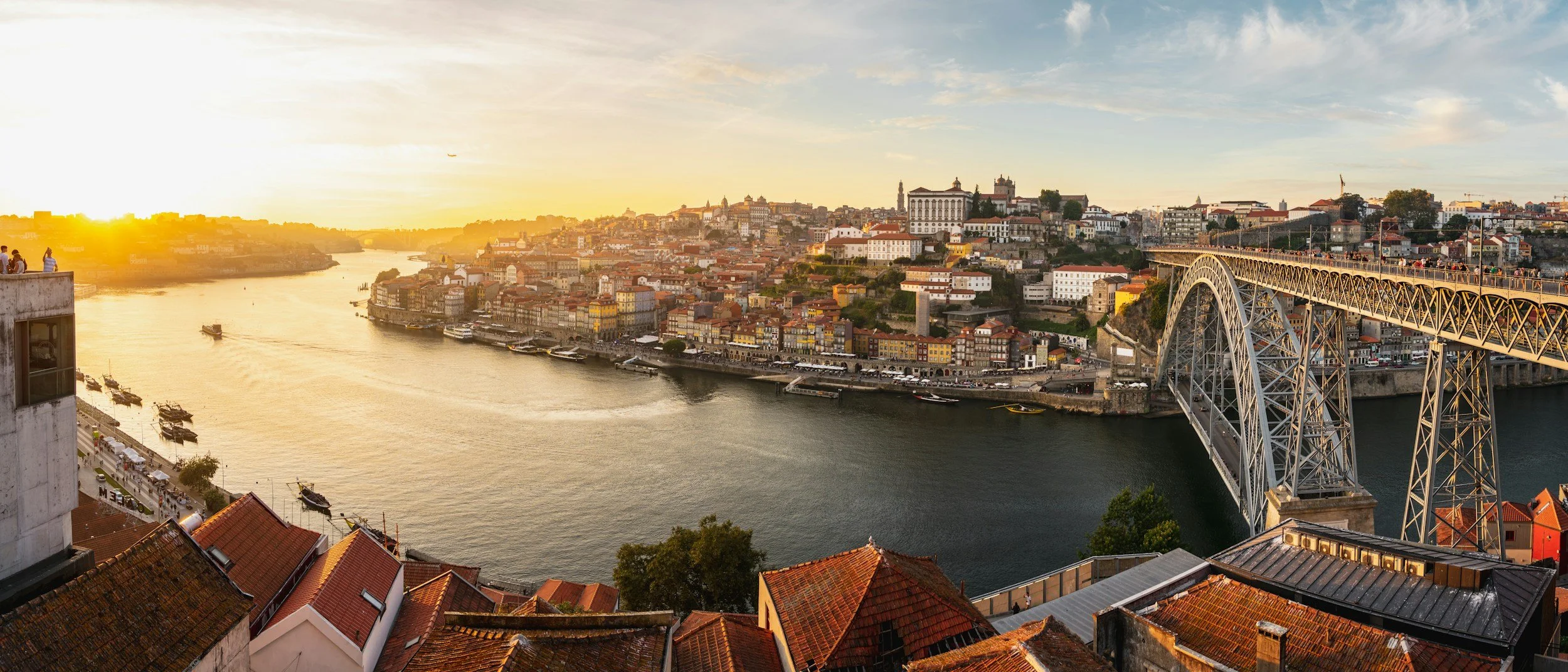
You have one week in Portugal, the children are excited, and the adults would quite like a holiday that does not involve changing hotels every other night.
So: Porto with kids or Lisbon with kids?
Here’s the clear answer. For a first family trip to Portugal, Lisbon is the better choice. It has more child-focused attractions, easier access to beaches, and the strongest collection of day trips in the country.
But Porto is not the runner-up in some disappointing travel contest. Porto is the better city for a shorter break, a slower pace, a smaller budget, and families who want scenery, food, and the Douro Valley.
And if you have seven days or more, the best answer is to do both. The train between them takes under three hours, and Coimbra gives you a natural, worthwhile stop in the middle.
Let’s compare them properly.
The 60-Second Verdict
- One week, first trip to Portugal, start in Lisbon: more kid-focused attractions, better day-trip range, easier beach access.
- Two or three days, or a second trip, choose Porto: smaller, cheaper, more atmospheric, and the gateway to the Douro Valley.
- Seven days or more, do both: the train takes under three hours, and Coimbra is the natural stop in the middle.
Scroll on for the full comparison table.
Porto vs. Lisbon with Kids: The Quick Verdict
| Category | Lisbon with kids | Porto with kids |
|---|---|---|
| Best for | First-time visitors, variety, beaches, day trips | Shorter breaks, scenery, food, Douro Valley |
| Overall size | Larger and more spread out | Smaller and easier to cover |
| Walkability | More transport options, but longer distances | Compact, but steeper hills and cobbles |
| Best kid attraction | Oceanário de Lisboa | WOW or the Gaia Cable Car |
| Best day trip | Sintra | Douro Valley |
| Beaches | Lisbon wins clearly | Good nearby beaches, but less central |
| Food for adults | More variety | Porto and the Douro win for wine and northern cuisine |
| Family accommodation | More choice, especially apartments | Often better value, especially in Gaia |
| Ideal stay | 3–5 days | 2–3 days |
| Our overall verdict | Best first city | Best compact city break |
Lisbon Is Bigger, But It Gives You More Ways to Have a Good Day
Lisbon is the more obvious choice for a first Portugal family vacation because it gives you more variety without needing to travel far.
You can spend a morning exploring old streets and castle walls, an afternoon beside the river, and the next day in a forest full of palaces. The city opens outward in every direction.
That does come with a cost. Lisbon is bigger, busier, and more tiring than Porto. You will cover more ground, use public transport more often, and spend longer moving between neighborhoods.
The historic center also has steep streets, uneven paving, and narrow sidewalks. A stroller works well in flatter areas such as parts of Baixa, Avenida da Liberdade, and Parque das Nações. It is much less pleasant in Alfama, around the castle, or on the steeper streets of Chiado.
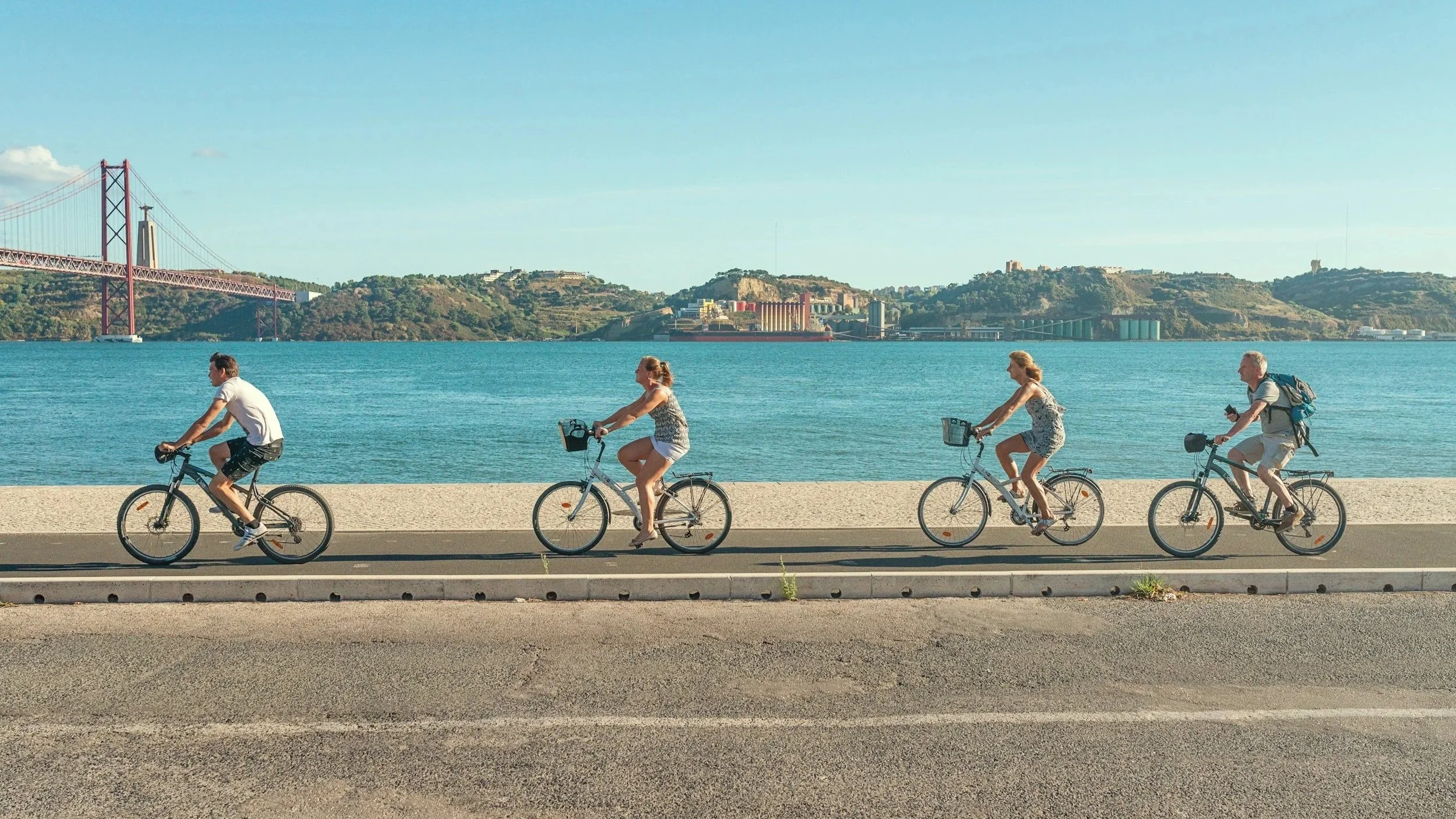
Bring a carrier if you are traveling with a baby or toddler. That is not overcautious advice. It can be the difference between enjoying Lisbon and negotiating with a wheel stuck in a cobblestone gap while everyone watches.
The upside is that Lisbon has a more extensive metro, tram, train, and ride-share network. You can plan around the hills. You can also choose a hotel in a flatter neighborhood and make life easier from the start.
For more detail, read our guide to Lisbon with Kids: The Complete Family Guide (2026).
Porto Is Smaller, More Manageable, and More Dramatic
Porto feels easier almost immediately. The main sights are concentrated around the historic center, the Douro River, and Vila Nova de Gaia. You can see a lot in two full days without feeling as though you are constantly commuting across town.
That is the appeal of Porto with family. You walk out of the hotel, follow the tiled streets downhill, and suddenly the river opens in front of you. Boats move beneath the Dom Luís I Bridge. The buildings rise in colorful layers above Ribeira. Kids have something to look at every few steps.
The catch is the terrain.
Porto is compact, but it is not flat. The descent to Ribeira is steep, and the climb back up is exactly the sort of thing that looks manageable at the start of the day and mysteriously becomes a mountain after lunch.
Strollers are difficult around Ribeira, the bridge approaches, and some of the older streets. Use a carrier for small children, and use the funicular, cable car, metro, or a Bolt when tired legs start to become a group issue.
That is precisely why Porto works so well for a two- or three-day city break. You can keep the sightseeing concentrated, add a long lunch, and avoid asking everyone to walk another 30 minutes because the map said it was “nearby.”
Our Porto with Kids guide covers the neighborhoods, transport, food, and practical details in more depth.

Which City Has More Things to Do with Kids?
This is where Lisbon wins.
Lisbon has more large-scale, child-focused attractions, and more options when the weather changes or everyone needs a slower day.
Lisbon family activities worth prioritizing
Oceanário de Lisboa: One of the easiest high-reward activities in the city. The huge central tank, penguins, otters, and underwater displays work for toddlers, older children, and adults. Pair it with the flat riverside paths and the Telecabine Lisboa in Parque das Nações.
Belém: Open space, river views, monuments, museums, and custard tarts. Choose one museum rather than attempting all of them. The Maritime Museum and Coach Museum are often more accessible for children than a long architectural visit.
Time Out Market: The practical solution when everyone wants something different for lunch. It can be loud and crowded, especially at peak times, but the choice is useful when one person wants grilled fish and another wants pizza.
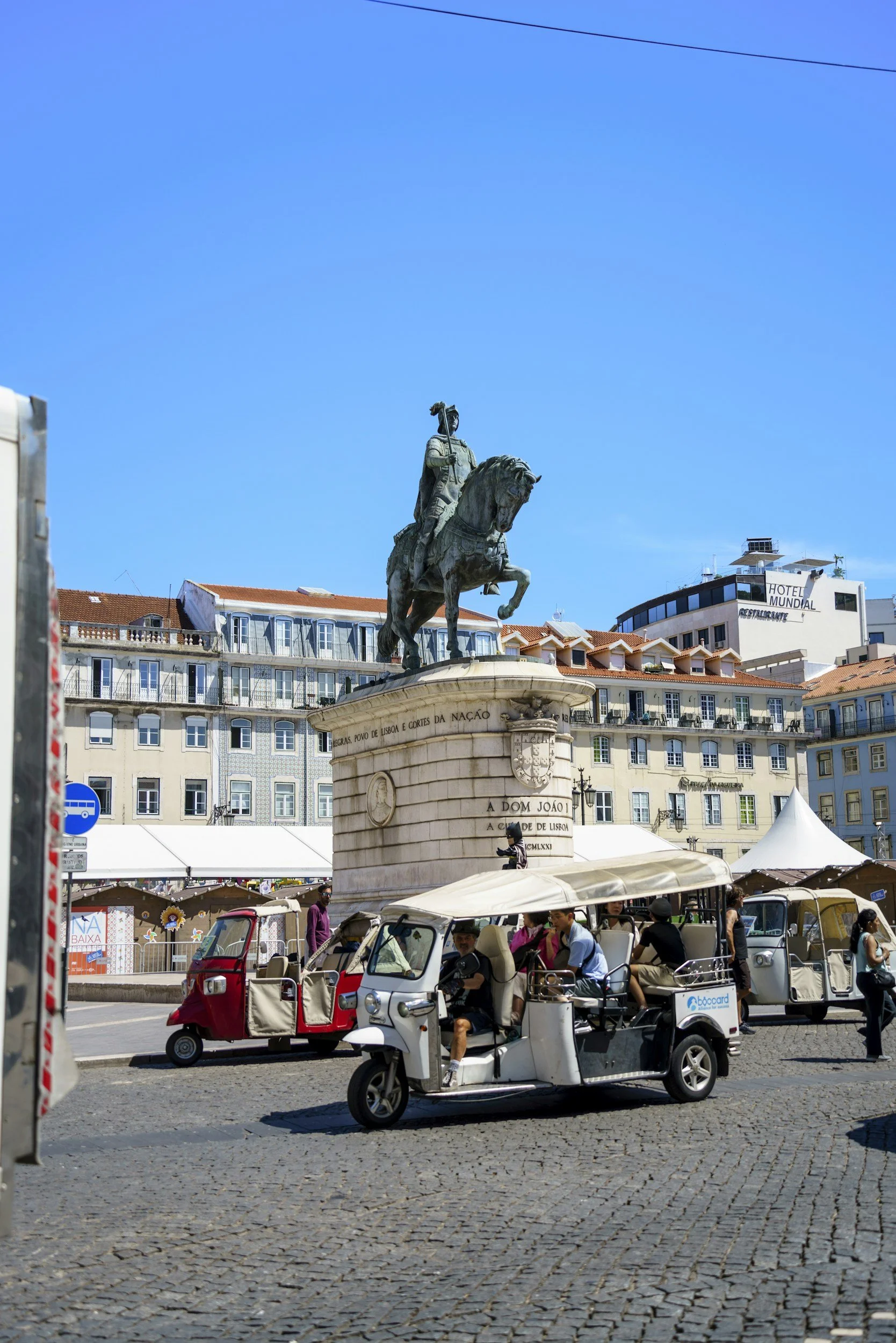
Tuk Tuks: Fun to see and exciting to ride. A good option when you want to see more but everyone is tired of walking. Make sure to negotiate your route and price.
Benfica Stadium: A strong choice for football-loving families and older children. The stadium tour gives the trip a distinctly Portuguese edge because football is not a side interest here. It is part of everyday life.


Porto has fewer major children’s attractions, but the ones it does have are packed close together.
Porto activities families tend to enjoy
WOW Porto: The cultural district in Gaia includes interactive museums covering wine, chocolate, cork, fashion, and Portuguese history. You do not need to visit every museum. Choose one or two and leave room for the riverfront.
Gaia Cable Car: This is the low-effort, high-reward option. The ride is short, but the views over the Douro, Ribeira, and Dom Luís I Bridge are excellent. It also saves you from walking up a very steep hill.
Ribeira: Give yourself an hour or two to watch the boats, listen to street performers, and let the children move around the open riverside spaces. The restaurants directly on the riverfront are convenient but not always the best value. Walk a little uphill for better food.
Livraria Lello: Beautiful, crowded, and worth it if your children enjoy books, architecture, or Harry Potter associations. This booking is a walking tour that combines the city, the bookshop, a river cruise, and the cable car. Book a timed entry and do not expect a quiet browsing experience. It is a popular attraction, not a secret literary retreat.
Serralves: The contemporary art museum matters less than the park for many families. Let the children run through the gardens while adults take turns with the exhibitions.
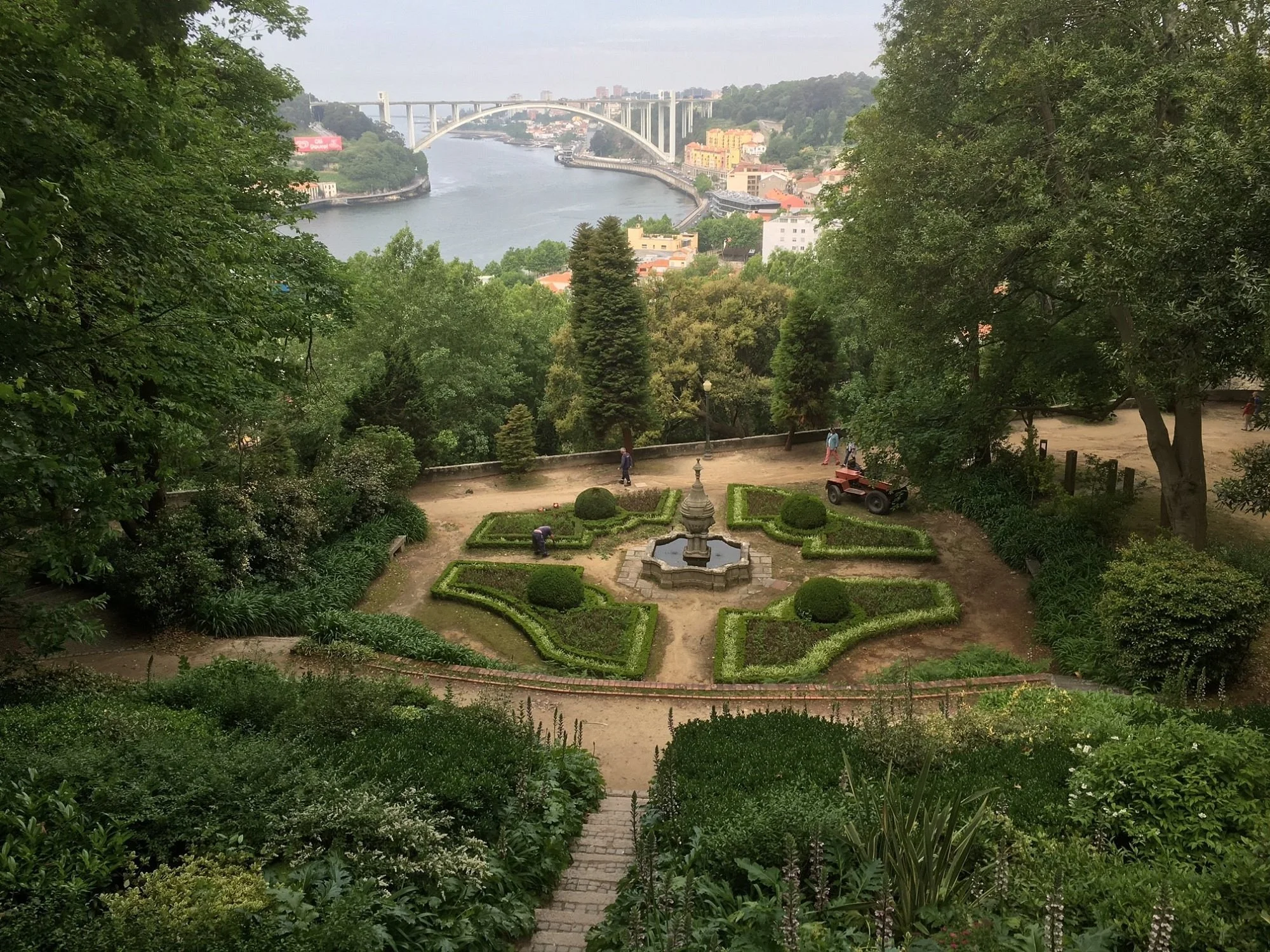
Crystal Palace Gardens: A calmer place to take a break, with open lawns, viewpoints, and a playground. This is the sort of stop that keeps a family itinerary functioning.
The difference is simple: Lisbon has more attractions designed specifically for children. Porto has a more concentrated mix of sights that children can enjoy alongside adults.


Lisbon Has the Better Day Trips. Porto Has the Better Scenic Escape.
If day trips are central to your Portugal travel itinerary, choose Lisbon.
From Lisbon, you can reach:
Sintra in around 40 minutes by train, with Pena Palace, forested gardens, and the Moorish Castle
Cascais in around 35–40 minutes by train, with beaches, a marina, and an easy coastal atmosphere
Arrábida in roughly an hour by car, with turquoise water, limestone cliffs, and sheltered beaches
Óbidos in around an hour by car, combining medieval walls with the calm waters of Lagoa de Óbidos
Évora in around 90 minutes, with Roman ruins, whitewashed streets, and the Chapel of Bones
That is an unusually strong range. You can choose culture, beaches, castles, nature, or food without changing your base.
Our Best Day Trips from Lisbon Family Guide explains which trips are worth the time and which ones need a car or private transport.


Porto’s strongest day trip is the Douro Valley. The scenery is the main event: terraced vineyards climbing the hills, the river looping through the landscape, and small villages appearing around bends in the road.
You can reach parts of the Douro by train, although a private driver or guided day trip gives you more flexibility. With younger children, we prefer a route that combines a scenic viewpoint, a relaxed quinta lunch with wine, and one easy activity rather than several formal tastings. For a bookable option, see the Douro Valley Private Tour.
Porto also makes a good base for Aveiro, Braga, Guimarães, and Coimbra. These are worthwhile, but the Douro is the experience that gives Porto its strongest sense of place.
Food, Wine, and the Question of Keeping Adults Happy
Both cities are easy places to feed children. Grilled chicken, rice, potatoes, fresh bread, soup, fish, and gelado cover most family emergencies.
Lisbon has the wider range of restaurants and international food. It is easier to find pizza, burgers, vegetarian dishes, casual cafés, and restaurants that can accommodate different eating habits. For families with picky eaters, that flexibility matters.
Porto is more rewarding for adults who care about food and wine. The northern food culture is hearty and unfussy, authentic Portuguese. Across the river in Gaia, the port lodges and WOW district create more obvious opportunities for adults to taste something local while children have something interesting to explore.
The Douro takes that one step further. A family-friendly vineyard visit can include lunch, outdoor space, grape-related activities, and a shorter tasting for the adults. It does not have to be a day of sitting quietly while someone explains tannins to a restless eight-year-old.
For food variety, Lisbon. For wine, scenery, and a more memorable adult experience, Porto and the Douro.
Getting There, Getting Around, and Whether You Need a Car
Both cities are straightforward arrival points.
Lisbon Airport is connected to the city by metro, although a ride-share is easier with several bags and tired children.
Porto Airport connects to central Porto by metro and is generally simple to navigate.
Lisbon and Porto are linked by frequent intercity trains, with the journey taking roughly 2 hours 45 minutes to 3 hours depending on the service.
You do not need a car for either city. In fact, having one in the historic centers can create more problems than it solves.
Rent a car only when you are heading into regions where it genuinely improves the trip, such as Arrábida, the Alentejo, or parts of Central Portugal.
In Lisbon, use the metro and trains for longer connections, then walk in manageable sections. In Porto, combine walking with the metro, funicular, cable car, and occasional ride-share.
Where Is Better for Family Hotels and Your Budget?
Porto is usually kinder to a family budget, particularly outside the busiest summer dates. You can often find good-value apartments, larger rooms, and comfortable stays in Vila Nova de Gaia or Bonfim.
Lisbon has a bigger accommodation market, which means more choice but also more variation. It is generally easier to find purpose-built family apartments, connecting rooms, and hotels with dedicated family services. Parque das Nações is especially practical for younger children because it is modern, flat, and close to the Oceanarium.
For a closer look, compare our guides to the best Porto hotels for families and the best Lisbon hotels for families.
A useful rule:
Choose Lisbon if accommodation choice and family facilities matter most.
Choose Porto if value, space, and a compact base matter most.
Book early for June through August, especially if you need connecting rooms or a family apartment. Connecting rooms can be very difficult to find and rooms typically run on the smaller side.
The Best Time to Visit Each City
Lisbon is warmer, sunnier, and generally more reliable for beach days. Spring and early autumn are ideal: comfortable sightseeing temperatures, fewer crowds than high summer, and a good chance of time by the water.
Porto is cooler and wetter, particularly outside summer. That does not make it a bad choice in spring or autumn, but pack a light waterproof layer and keep a flexible plan. The city works well in cooler weather because of its museums, cafés, markets, and compact central attractions.
For both cities, April to June and September to October are the best overall months for families.
July and August bring longer days and beach weather, but also higher prices, stronger crowds, and more heat on exposed streets. Start early. Build in a proper afternoon break. Everyone will enjoy the evening more.
Choose Lisbon If…
Choose Lisbon with kids if:
This is your first family trip to Portugal
You have four or five days
You want beaches and major day trips
Your children need a strong mix of attractions
You are traveling with different ages and interests
You want more family hotel and apartment options
You are planning a Lisbon 3 day itinerary with the option to extend into Sintra or Cascais
Lisbon is the better all-rounder. It gives you more ways to adapt when the weather changes, energy levels drop, or one child has decided that museums are personally offensive.
Choose Porto If…
Choose Porto with kids if:
You have two or three full days
You want a smaller, more atmospheric city with a more artistic, eclectic feel
Your family enjoys food, rivers, bridges, and scenery
The Douro Valley is a priority
You are looking for better value
Your children are old enough to manage hills or you are happy using ride-shares
You are building a Porto 3 day itinerary around the historic center, Gaia, and the Douro
Here’s the real truth about Porto’s creative side: it is mostly a pleasure for grown-ups and older children, and it works best when you pair one gallery stop or one concert with something the kids will actually enjoy that same day. That is precisely why it works well in Porto. You can do the artsy part, then head back to the river, a garden, or something more obviously family-friendly without crossing half the city.
The artistic case for Porto is not just mood or branding. Rua de Miguel Bombarda is the city’s gallery district, lined with contemporary art galleries, design shops, and concept stores, and its collective monthly gallery-opening evening is a genuinely local Porto thing to wander if your children are old enough to enjoy the atmosphere. Casa da Música, the striking Rem Koolhaas-designed concert hall, gives the city a serious architectural and musical anchor, while the Coliseu do Porto and Hard Club in the old market building keep the independent music scene alive in a way that feels less polished and more DIY than Lisbon.
Then there is Serralves, which really does double duty for families: the Álvaro Siza-designed contemporary art museum for the adults, the Art Deco Serralves Villa for anyone who likes architecture, and the park and gardens for the children, who usually care less about the curating and more about having room to move. Add São Bento station, where the azulejo panels give you free, street-level art, plus the city’s tiled façades and street art, and Porto starts to feel like a place where the city itself is the gallery. Lisbon has the bigger institutions and more established art-world weight. Porto’s creative scene feels more independent, moodier, and built around small galleries, reused old buildings, and a younger crowd. For more on what actually works with children, our Porto with Kids guide covers Serralves, Livraria Lello, and WOW in more detail.
Porto is the better fit for a shorter, more relaxed city break. It feels personal quickly. That matters when you are traveling with children.

Doing Both: The Best Answer for a Week in Portugal
If you have seven days or more, do both cities.
A family-friendly split is:
3 nights in Lisbon
1 night in Coimbra
3 nights in Porto
Or, if you want more time around Lisbon:
4 nights in Lisbon
3 nights in Porto
The Lisbon-to-Porto train is comfortable and much easier than driving between the cities with luggage and children. Coimbra is the natural stop if you want to break the journey. The university, historic center, riverside parks, and nearby attractions give children a reason to get off the train rather than simply endure the transfer.
Read more about the region in our Central Portugal guide. It is the useful middle ground between the two major cities, with Coimbra, Óbidos, Aveiro, and other stops that work well in a slower itinerary.
Porto vs Lisbon with Kids: Frequently Asked Questions
Should I visit Porto or Lisbon with my family?
If this is your first family trip to Portugal, choose Lisbon. It gives you more day-trip range, more kid-focused attractions, and more ways to fill a full week without overcomplicating the plan.
That said, Porto is not the wrong choice. It is the better fit for a second trip, for families with teenagers, and for anyone more drawn to river views, northern food, and the Douro Valley from Porto side of the country.
How far is Porto from Lisbon?
Porto and Lisbon are about 313 kilometers apart, and the train usually takes roughly 2 hours 45 minutes to 3 hours. In practical terms, they are close enough to combine in one trip without turning travel day into a family endurance test.
That is the part many first-time planners underestimate. Stated plainly, this is not a huge cross-country transfer, and Coimbra, Portugal is the natural stop if you want to break it up.
Is Porto or Lisbon better for families with young children?
Lisbon is usually better for families with younger children. It has more flat areas, more child-focused attractions, easier beach access, and more flexibility when naps, strollers, or weather start dictating the day. For kids ages 5 and up, Porto is a lot of fun even if you skip the museums and just wander through the shops, stop for gelato, and enjoy the atmosphere. Challenge your kids to find WOW, then see if they can lead the way! WOW often has a giant hot air balloon, bunny, or other colorful display that you can spot from across the river.
Which is cheaper for a family, Porto or Lisbon?
Porto is usually cheaper for families. You will often find better-value accommodation, lower restaurant prices, and a slightly less expensive day-to-day rhythm, especially outside peak summer.
Lisbon has more overall choice, including more family apartments and hotels, but budget closer to higher rates in the most convenient neighborhoods. If cost is a major decision point, Porto is generally the easier win.
Can you visit both Porto and Lisbon in one trip, and how many days do you need?
Yes, and for many families it is actually the best answer. You need at least 7 days to do both comfortably, with enough time to enjoy each city rather than just checking boxes.
A very workable split is 3 nights in Lisbon, 1 night in Coimbra, and 3 nights in Porto. If you want the lower-effort version, skip the overnight in between and simply divide the week between the two cities.
Which city is better for a first family trip to Portugal?
Lisbon is the better first stop for most families. It has the strongest mix of big-ticket sights, practical transport, beaches, and day trips, which makes it the safer choice when you only have one week and want plenty of options.
Porto is the one worth prioritizing next if you return. It feels more compact and atmospheric, and it comes into its own for older kids, teenagers, and adults interested in wine, food, and the Douro.
Our Final Verdict
For first-time visitors with one week, choose Lisbon as your main base. It has more kid-friendly attractions, better day trips, easier beach access, and more flexibility when you are planning a family vacation.
For a second trip, a shorter break, or families with teenagers and wine-loving adults, choose Porto. The city is smaller, more atmospheric, and a stronger gateway to the Douro Valley.
But if your schedule allows it, Lisbon plus Porto is the best family Portugal itinerary. Lisbon gives you variety and day-trip access. Porto gives you river scenery, northern food, and the Douro. Coimbra connects the two without feeling like a forced stop.
That is the combination we would recommend most often.
Start with our wider Portugal with Kids: The Complete Family Travel Guide (2026), then use the city guides to build the version that fits your family, your budget, and everyone’s tolerance for hills.