
The Ultimate Vicentine Coast Portugal Itinerary: 7 Days From Arrábida to Odeceixe
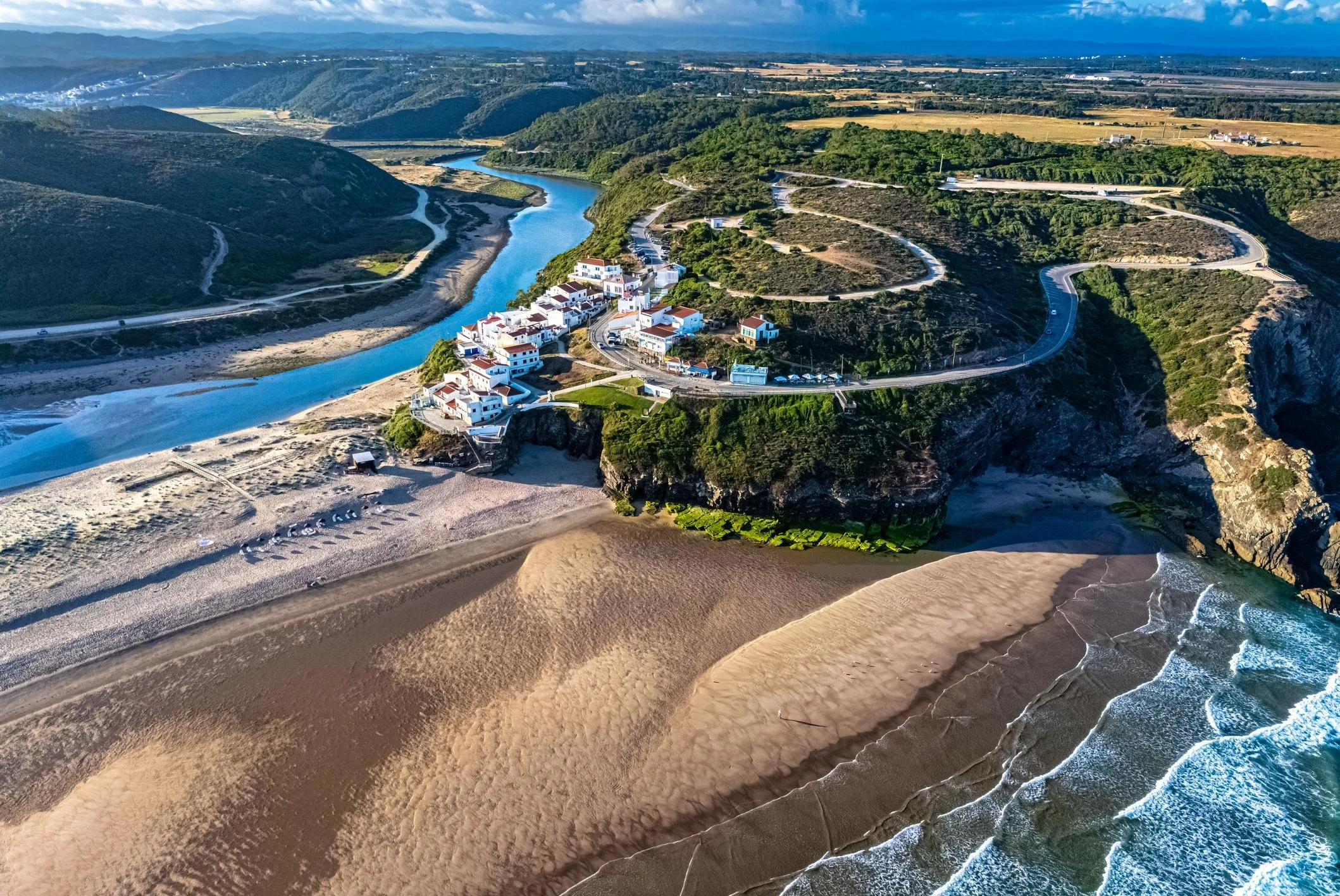
Most people who ask us about “the coast south of Lisbon” are actually picturing two completely different trips. There’s the Algarve — sunbeds, cliff-jump photos, a beach bar with a laminated cocktail menu. And then there’s this: 150-odd miles of Portugal that time forgot. Whitewashed fishing villages that still smell like the ocean instead of sunscreen. A river that locals have been crossing by family-run ferry since before the bridge existed. A hiking trail so wild it comes with its own sand-vs-cliff decision tree.
That’s the Vicentine Coast — officially the Southwest Alentejo and Vicentine Coast Natural Park, running from just south of Sines down to the Algarve border near Odeceixe. It takes 7 days to do properly, starting from Lisbon, and it rewards people who’d rather have one unforgettable coastal village than five forgettable ones.
This is the exact route we build for clients heading into this part of Portugal, based on real drive times, real accommodation options, and real trade-offs. Here’s the whole thing, plus how to adapt it whether you’re traveling with kids or you came for the hiking.


Why the Vicentine Coast (Not the Algarve)
The Algarve is popular because it’s easy: direct flights, all-inclusive resorts, a beach for every mood. The Vicentine Coast requires more — you’ll need a car, some flexibility, and a willingness to eat dinner at 8pm because that’s when the one good restaurant in town opens. In exchange, you get a coastline that’s still largely defined by fishing families and cork-oak farmland rather than golf courses.
If you’ve already done a day trip to Arrábida from Lisbon and wanted more, this itinerary is that “more.” It picks up exactly where a day trip has to stop and turns the coast south of Lisbon into a proper week.
The Itinerary at a Glance
| Day | Route | Highlights | What You'll See |
|---|---|---|---|
| 1 | Lisbon → Arrábida → Setúbal | Arrábida Natural Park, hiking, Azeitão, Setúbal | Limestone cliffs and forest viewpoints |
| 2 | Setúbal & Sesimbra | Dinosaur footprints, dolphins or coasteering | Dinosaur footprints, wild dolphins, sea caves |
| 3 | Setúbal → Porto Covo → Milfontes | Sines, Porto Covo, Ilha do Pessegueiro | Whitewashed villages and an offshore island fort |
| 4 | Vila Nova de Milfontes | Mira River kayaking, cruise or ferry | River estuary, sandy beaches, birdlife |
| 5 | Rota Vicentina | Fishermen’s Trail or Historical Way | Ocean cliffs and dunes, or cork-oak farmland |
| 6 | Milfontes → Zambujeira → Odeceixe | Coastal villages, viewpoints and beaches | Clifftop chapels and a river-meets-ocean beach |
| 7 | Odeceixe & onward | Slow morning or continue toward Lagos | Riverside streets and a final coastal sunset |
We’ll go deep on each of these in dedicated guides — Arrábida & Setúbal, Sines & Porto Covo, Vila Nova de Milfontes, the Rota Vicentina hiking trails, and Zambujeira do Mar to Odeceixe — but here’s what each day actually looks like.
Day 1: Arrábida & Setúbal — Your Gateway to the Wild Coast
Leaving Lisbon, the road climbs into the forested Serra da Arrábida before dropping toward the sea you’ll see Mediterranean vegetation, limestone cliffs, and viewpoints that make you pull over whether you planned to or not. Budget 1.5–2.5 hours for a hike through the park, with time left for lunch in Arrábida or the wine village of Azeitão, before continuing into Setúbal for the night.
If you’ve got even one extra day here, our full Arrábida day trip guide breaks down exactly how to spend it, and several of the beaches on this stretch made our list of the best family beaches in Portugal outside the Algarve.
Day 2: Setúbal & Sesimbra — Choose Your Adventure
Day 2 is a genuine choose-your-own-adventure day, based out of nearby Sesimbra, and which one you pick says a lot about your travel style:
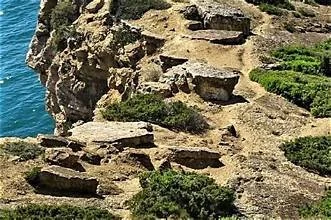
Hike to Jurassic-era dinosaur footprints at Cabo Espichel — a guided walk through dramatic limestone cliffs to footprints preserved for millions of years. Unusual, moderate effort, great for curious kids and geology nerds alike. Who doesn’t like dinosaurs?
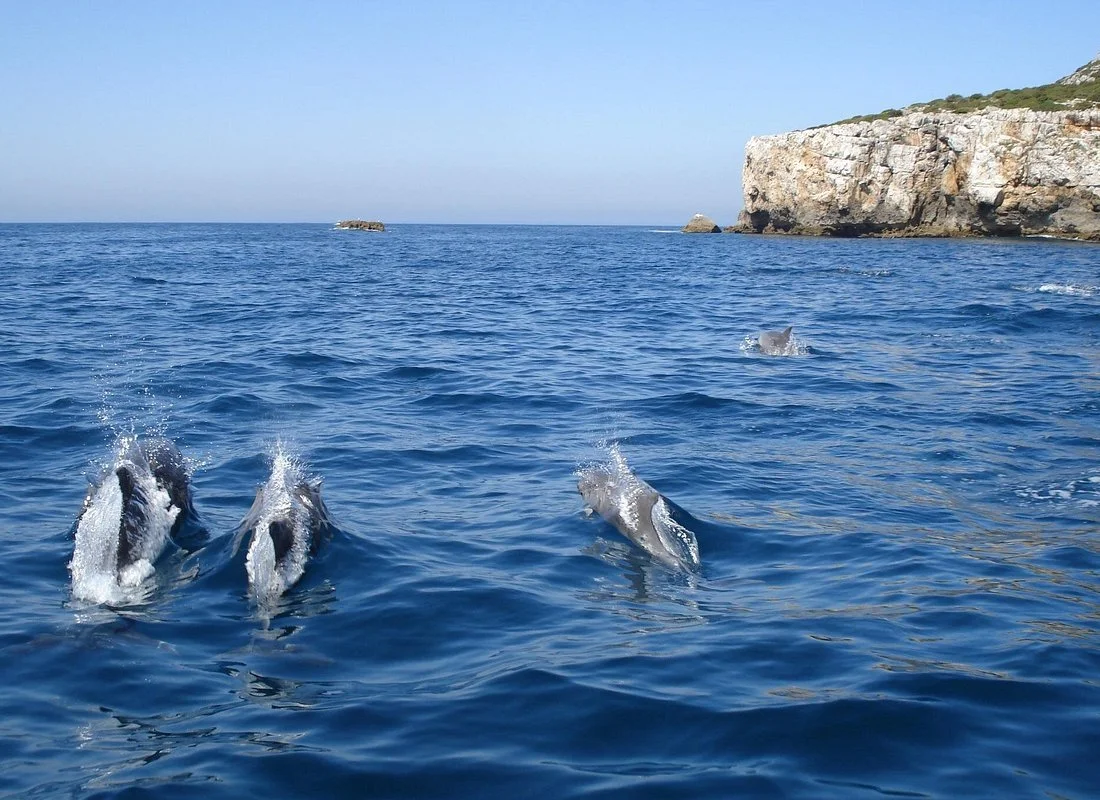
Dolphin watching + 4x4 tour of Cabo Espichel — the land-and-sea combination, best for families who want the wow factor of wild dolphins without a physically demanding day.
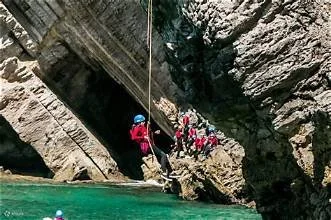
Coasteering in Arrábida Natural Park — swimming, climbing, and scrambling along protected coastline outside Sesimbra. This is the one for adults and older teens who want their heart rate up.
Day 3: The Drive South — Sines, Porto Covo & Ilha do Pessegueiro
This is the day the coast changes character. Setúbal to Milfontes takes about 2.5 hours via Sines and Porto Covo, and you’ll want every minute of it — this is a driving day that’s really a sightseeing day wearing a driving day’s clothes.
Porto Covo is a whitewashed village overlooking the wild Alentejo coast, small enough to wander in under an hour: the historic center, Praça Marquês de Pombal, then a walk along the coast past rocky coves and dramatic Atlantic views. From there, continue to the Ilha do Pessegueiro viewpoint, where a small island with historic fortifications sits just offshore, a natural lunch stop overlooking the sea. Altogether, plan for 2–3 hours to properly enjoy Porto Covo, lunch, and the Ilha do Pessegueiro coastline before pushing on to Milfontes.
By the time you arrive, you’ll understand why this stretch is called the Costa Vicentina: traditional villages, rugged cliffs, secluded beaches, and a coastline that development never got around to.
Days 4–5: Vila Nova de Milfontes — Where the Mira Meets the Atlantic
Milfontes is the emotional center of this itinerary, and it requires two full days. It’s a relaxed village built where the Mira River meets the ocean, with a historic center and waterfront worth wandering before you even think about an activity.
Day 4 is river day, and you genuinely have three good ways to experience the Mira — which one you pick depends on your energy level, not your travel style:
| Option | What It Involves | Best For |
|---|---|---|
| Kayak + 4x4 return | Paddle upriver from Praia da Franquia with the tide, then a 4x4 brings you back — no fighting the current | Active travelers, families, nature lovers |
| Mira River boat cruise | Sit back and take in riverbanks, beaches, and wildlife with commentary | Anyone who wants the scenery without the effort |
| Ferry to Praia das Furnas | A small local ferry crosses to the beach opposite town for a few hours of swimming and sand | Flexible half-days, beach-first travelers |
One name worth knowing here: Maresia do Mira. This is a family-run business whose connection to the river goes back to the 1970s, before the Milfontes Bridge even existed — founder Mr. Manuel originally ferried local residents, animals, vehicles, and goods across the water year-round, and his daughter São took over the business around 1990. Booking a crossing or a customized boat trip with them isn’t just transportation; it’s the closest thing to experiencing the Mira the way locals have for two generations.
If your visit lines up with a Thursday, don’t skip the local market for regional produce and specialties. For dinner, Casa Milfontes and Duna Mar are the two names locals point tourists toward for fresh fish and traditional dishes — followed, ideally, by a sunset walk along the river.
Day 5 is hiking day: the Rota Vicentina, and it’s the one place in this itinerary where the family and active-traveler paths genuinely diverge:
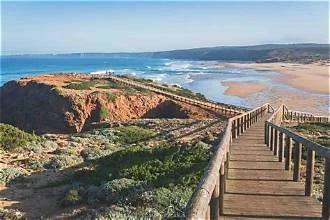
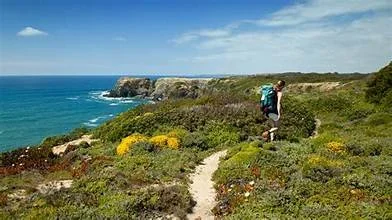
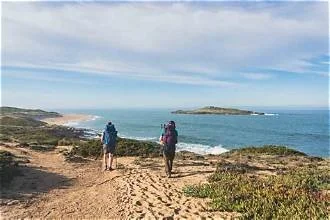
Fishermen’s Trail (strong hikers): From Milfontes toward Almograve, roughly 12–15 km and 4–5 hours along the Mira estuary, coastal vegetation, dunes, and secluded beaches. The distance is moderate but extensive sand makes it more physically demanding than it looks on paper — a seasonal boat crossing of the Mira can shave off about 3 km if you want it. This is the classic, dramatic, ocean-facing Rota Vicentina experience.
Historical Way (moderate hikers and families): The inland route, following centuries-old rural tracks through cork-oak countryside, farms, and small Alentejo communities. Easier terrain, a completely different (and arguably underrated) perspective on the region, and you can walk a shorter section or arrange a transfer rather than committing to a full stage.
We go much deeper on trail selection, timing, and logistics in our dedicated Rota Vicentina guide — worth reading in full before you commit to a route, since the two trails really do suit different people.
Where to stay in Milfontes: three real options depending on your priorities — a family-friendly two-bedroom holiday home 10 minutes from the center, a traditional whitewashed guesthouse built for value and warmth, and an intimate four-room minimalist guesthouse for travelers who want quiet and exceptional hospitality over resort amenities. Full breakdown, with distances and booking links, in our Where to Stay Guide.
Day 6: Zambujeira do Mar & Odeceixe
This day turns what could be “just a transfer day” into one of the most scenic drives of the whole trip.
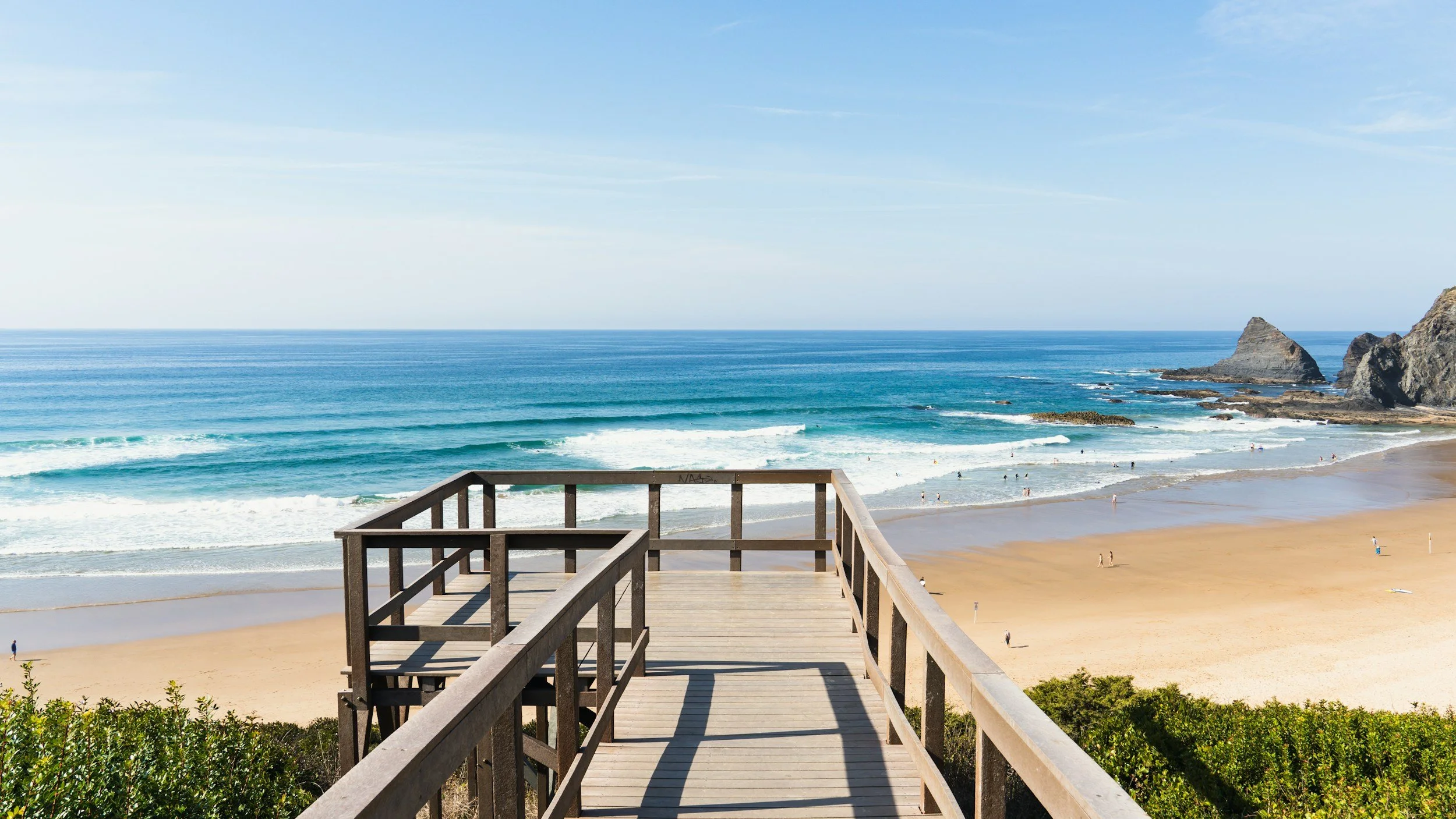
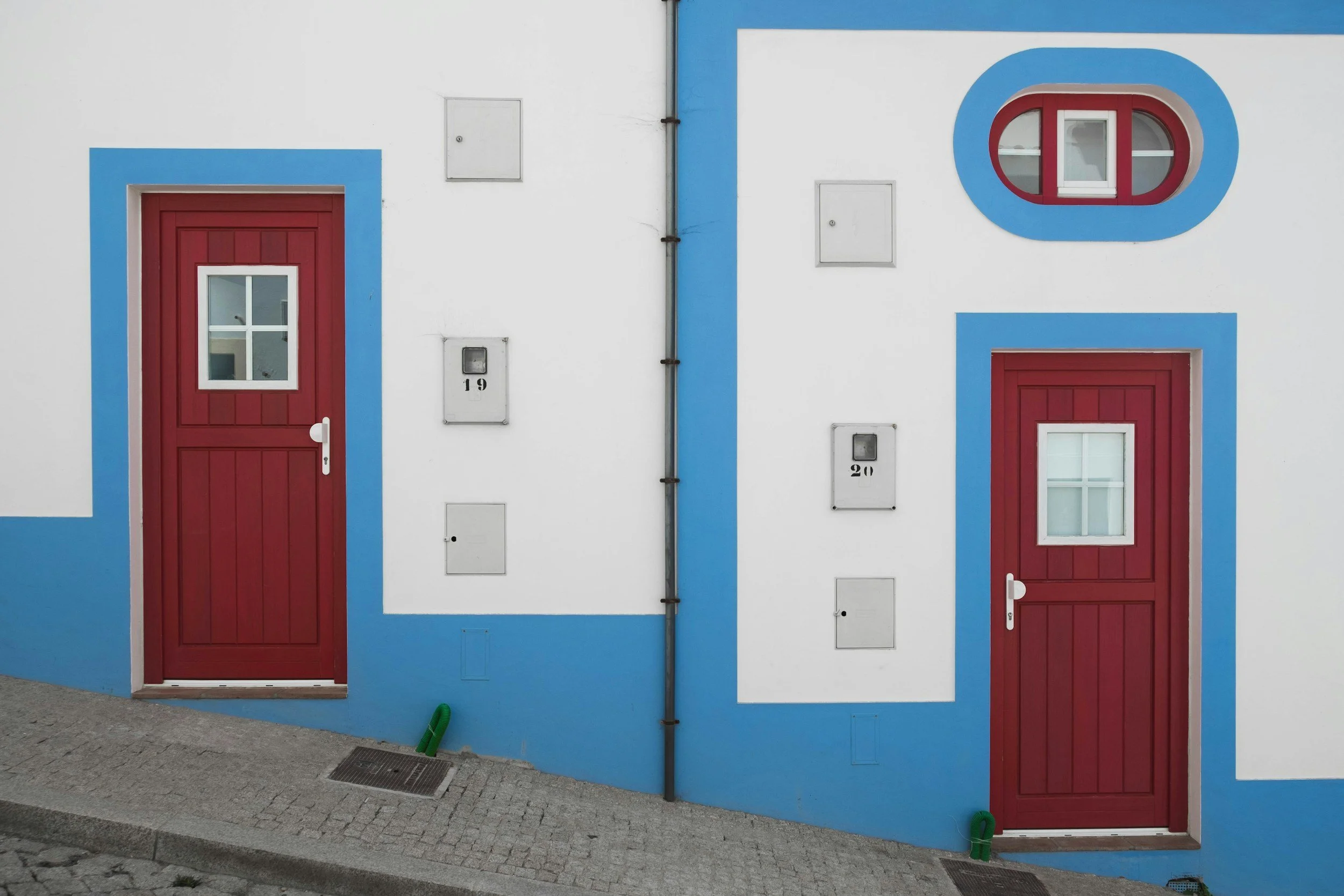
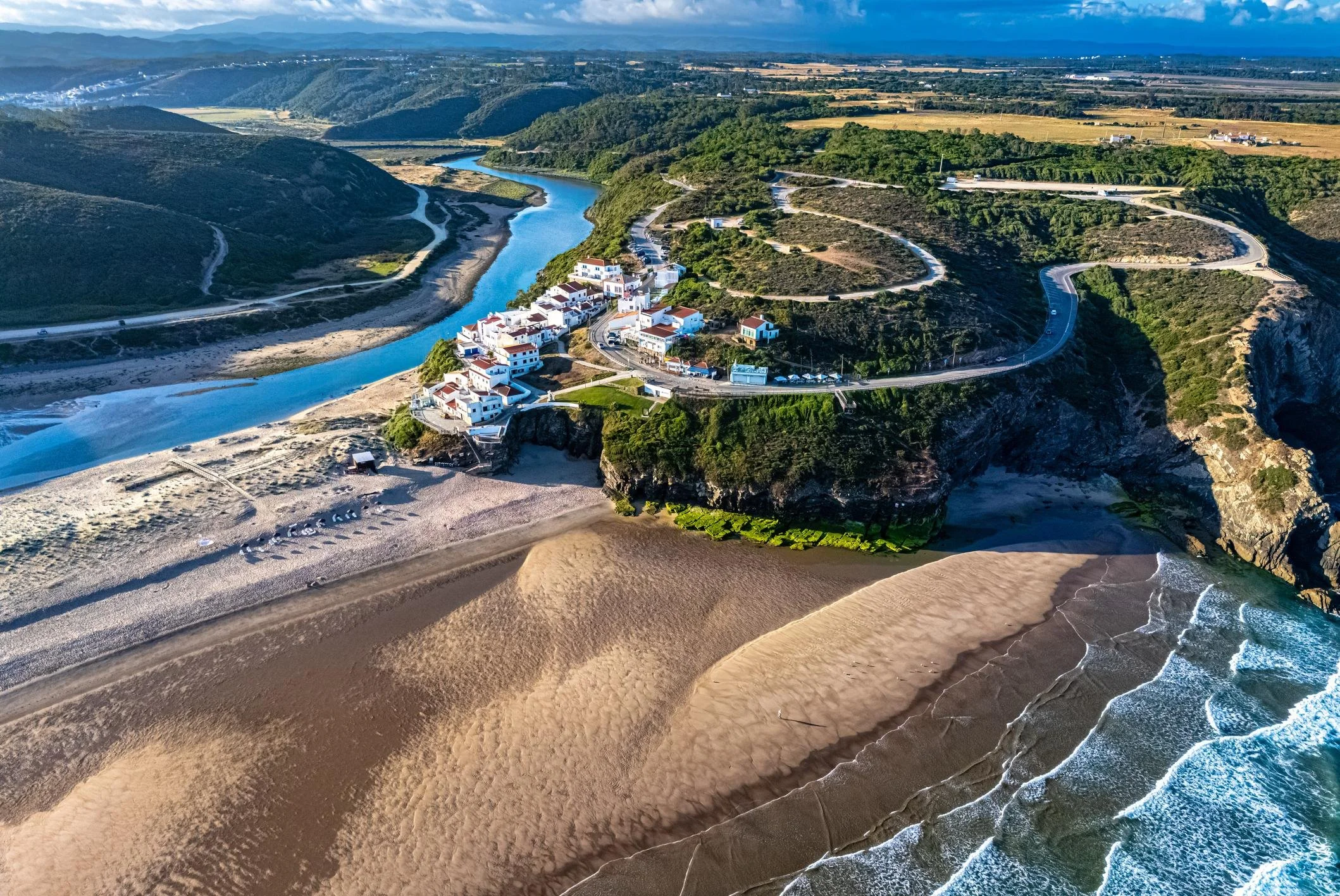
Start in Zambujeira do Mar, a small whitewashed village perched dramatically above the Atlantic, wander the town, then walk to the viewpoint near the Chapel of Nossa Senhora do Mar for sweeping views of the coastline below. Continue south through the Natural Park to Odeceixe, a picturesque village overlooking the Seixe River, with narrow streets worth a lunch stop before heading to Praia de Odeceixe, where the river winds around a broad sandy beach on its way to meet the Atlantic. Settle in here for the night.
Day 7: Odeceixe & Onward
There’s no obligation on this last day. Odeceixe is where you take your time, enjoy the river beach, the village’s narrow streets, one more coffee at your favorite spot from the night before. Then you either return to Lisbon or continue on toward Lagos and the Algarve, about 2 hours away via Aljezur.
Family Trip or Active Trip? How to Adapt This Route
This itinerary works for both, but not in the same way — here’s the honest breakdown:
If you’re traveling with younger kids: Lean into the dolphin-watching/4x4 combo over coasteering on Day 2, choose the boat cruise or ferry over the kayak on the Mira, and default to the Historical Way rather than the Fishermen’s Trail on Day 5. Nothing about this itinerary requires the hardest version of anything.
If you’re here to hike and be active with teenagers: Coasteering on Day 2, the kayak + 4x4 on the Mira, and the full Fishermen’s Trail section on Day 5 turn this into a genuinely active week without changing the route at all. It’s the same itinerary; you’re just choosing the harder door at every fork.
Getting Around
You need a car for this itinerary, public transport along the Vicentine Coast is sparse and not built for a week of village-hopping. Rough drive times to note are:
Lisbon to Setúbal is under an hour
Setúbal to Milfontes runs about 2.5 hours via the coastal route through Sines and Porto Covo
Odeceixe to Lagos via Aljezur takes about 2 hours before you add in stops.
None of these are long by themselves, the point of this itinerary is that the driving days are the sightseeing days.
Where to Stay Along the Route
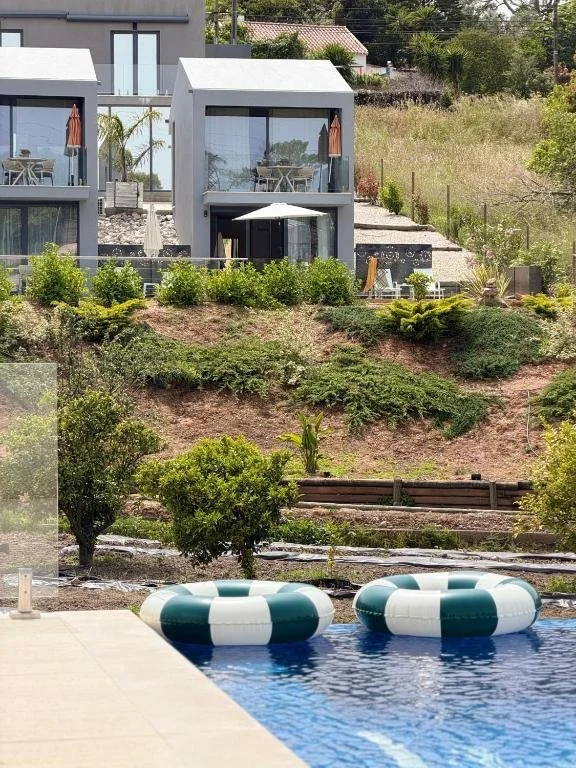
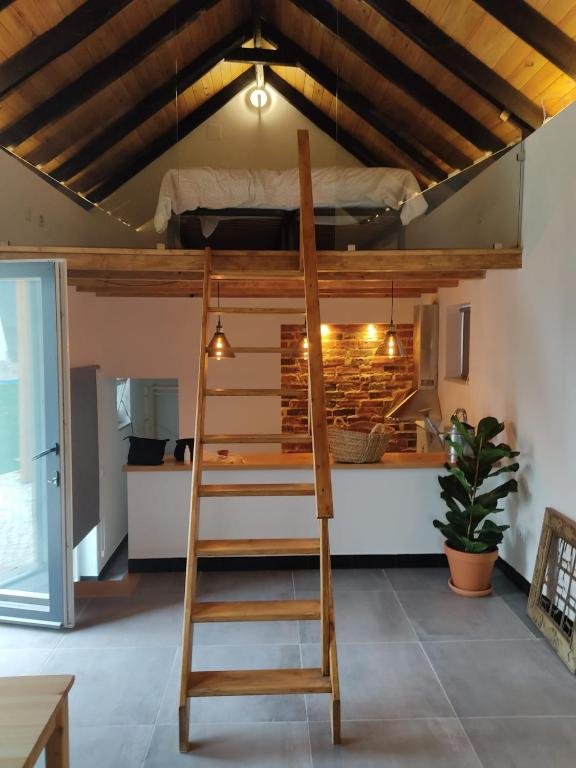
There are a variety of amazing properties in Setúbal, Milfontes, and the Odeceixe/Lagos area for all budgets. Properties range from budget-friendly stays with rooftop views to authentic villas and large Alentejo Quintas with room for the whole family. Full comparison, distances, and booking links are in our complete Where to Stay on the Vicentine Coast guide.
Costa Vicentina Portugal Itinerary FAQ
How many days do you need for the Costa Vicentina?
Seven days is enough for a Costa Vicentina road trip from Lisbon through Setúbal, Milfontes and Odeceixe. With eight or nine days, add time in Arrábida, Milfontes or Odeceixe rather than adding lots of additional destinations.
Is the Costa Vicentina worth visiting?
Yes, particularly if you're looking for a quieter and more nature-focused side of Portugal. The combination of wild Atlantic coastline, small villages, hiking, rivers, beaches and rural Alentejo makes it very different from Lisbon or the resort areas of the Algarve.
Costa Vicentina or Algarve: which is better?
Choose the Costa Vicentina for hiking, nature, smaller towns and a slower road trip. Choose the Algarve for a larger selection of resorts, restaurants, organized activities and classic beach-holiday infrastructure.
They also work beautifully together: follow the Costa Vicentina south and continue into Lagos and the Algarve.
Is the Costa Vicentina good for families?
Yes. Many of the region's signature experiences have family-friendly versions, including dolphin watching, Mira River cruises, ferry crossings and shorter sections of the Rota Vicentina. Families can experience the same route while choosing less physically demanding activities.
What's the best time to visit the Costa Vicentina?
Spring and early autumn are particularly good for a Costa Vicentina road trip, especially if hiking is a priority. You'll generally find more comfortable walking temperatures than during the hottest part of summer while still having plenty of daylight for exploring.
Where should you stay on the Costa Vicentina?
For this route, we particularly like Setúbal, Vila Nova de Milfontes and the Odeceixe area as overnight bases. Milfontes deserves the longest stay because it works particularly well for river activities, hiking, beaches and relaxed evenings.
Can you drive the Costa Vicentina?
Yes, and a car is the easiest way to explore the region. However, don't expect a single coastal highway hugging the ocean from beginning to end. You'll frequently leave the main road to reach villages, beaches, trailheads and viewpoints.
Do you need a car for the Costa Vicentina?
For this itinerary, we strongly recommend one. Public transportation exists, but it isn't particularly convenient for a road trip connecting smaller villages, beaches, hiking trailheads and viewpoints. Having a car also gives you the flexibility to make spontaneous stops along the coast.
What's the difference between the Fishermen's Trail and the Historical Way?
The Fishermen's Trail follows the Atlantic coast across sand, dunes and cliffs and is generally more physically demanding. The Historical Way runs primarily inland through rural landscapes and tends to have easier terrain. Both belong to the Rota Vicentina trail network, and you can walk shorter sections without committing to a complete stage.
Can you visit the Costa Vicentina from Lisbon?
Absolutely. Arrábida and Setúbal can easily begin a trip from Lisbon, but the heart of the Costa Vicentina deserves several days. For a first road trip, we recommend continuing south through Porto Covo, Vila Nova de Milfontes, Zambujeira do Mar and Odeceixe.
Our Take
If your idea of a great Portugal trip involves small villages, wild coastlines, locally run experiences and enough flexibility to stop when somewhere looks interesting, the Costa Vicentina belongs on your itinerary.
Don't try to see all of it.
Choose a few places, stay long enough to get to know them and let the driving days become part of the trip.
That's how we plan this coast for our clients and it's how we'd travel it ourselves.