
Portugal in winter is not a sun-soaked beach holiday with a few festive lights added. It’s something more useful for many families: mild city days, quieter streets, a chance of snow in the mountains and better-value travel outside the Christmas rush.
Here’s what most families get wrong: they assume the whole country has the same winter. It doesn’t. Lisbon can feel bright and springlike at lunchtime; the Atlantic coast can be windy and chilly; Porto is wetter; and Serra da Estrela can be properly wintry.
Choose your base around the weather you want, not the weather you hope for. For the wider family-trip picture, start with our Portugal with Kids guide.
Why winter works, if you plan for real weather
The biggest advantages are fewer crowds, mild city temperatures and a quieter value window. Popular sights are usually easier to enjoy without summer queues, and you can explore at a family pace instead of racing the heat. Outside Christmas and New Year, accommodation can also be better value (though prices depend on dates, school holidays and local events).
The catch? “Mild” does not mean reliably warm or dry. Lisbon’s official climate normals put average daytime highs around 59–64°F from November to February. Bring a rain layer, and expect some chilly evenings. Along the coast, wind can make a pleasant-looking day feel much colder.
The IPMA climate normals for Lisbon are a useful guide, not a forecast. For families, the practical takeaway is simple: plan outdoor sightseeing, but keep an indoor option in your back pocket.
Portugal in November, December, January and February
Portugal in November: the easy-going city break
November is a good fit if you want quieter streets and don’t need Christmas events to make the trip feel special. Lisbon is a strong base for historic sights, parks and day trips; Porto is atmospheric too, but pack waterproof layers and plan for more rain.
It’s also a good month to keep your schedule flexible. A sunny afternoon might turn into a long riverside walk; a wet one is a good reason to visit a museum or linger over lunch.
Lisbon in December: festive, not frozen
Lisbon in December is mild by European standards, not warm. Average daytime highs sit around 59°F, dropping to roughly 46–48°F at night, and rain comes in frequent but usually short spells. Expect around 8 hours of sunshine a day — enough for proper sightseeing between showers, but bring a rain layer and plan one indoor backup each day. Days are short too: it gets dark before 5.30pm, so families with young children should do the outdoor sights first and keep market evenings for the lights.
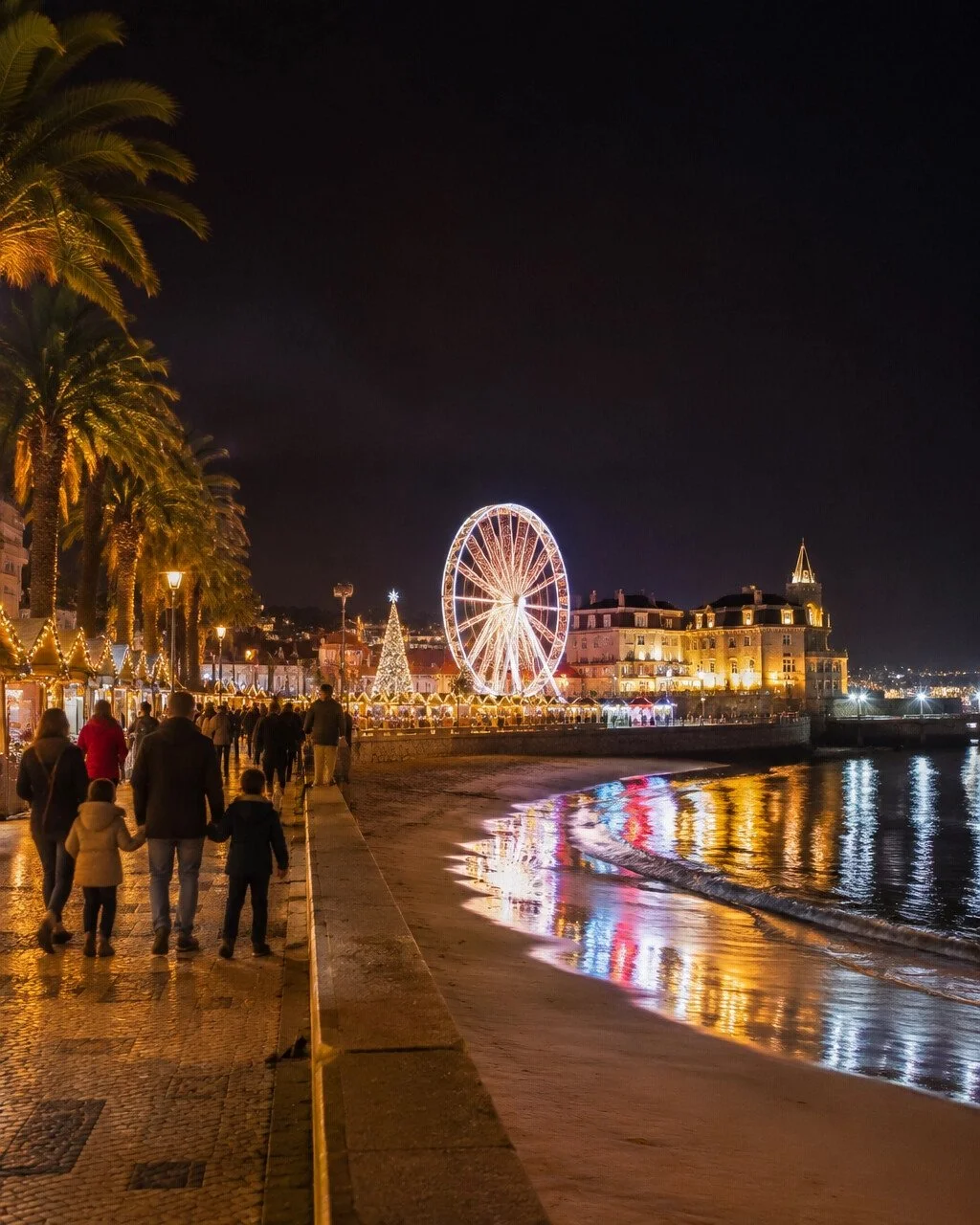
December brings lights and Christmas markets, but it is still a cool, changeable month. Portugal Christmas markets often begin in late November, though dates and opening days vary by event. Check the current calendar before travelling rather than assuming every market runs throughout the season.
For a family evening, choose one festive event and keep the rest of the day light. Our Lisbon Christmas market guide and Lisbon and Cascais Christmas markets guide help you compare the options. Go early if you’re travelling with younger children; a crowded market is more fun before everyone is tired.
Portugal in January: quiet streets, indoor backups
January is often the quietest-feeling month. It can be a very good time for a city break if you’re comfortable swapping plans around the forecast. Museums, cafés and long lunches come into their own, while parks and viewpoints are still worth visiting between showers.
Do not book every day around outdoor activities. Leave space to change direction.
Portugal in February: cities or a snow chance
February is still winter in the cities, but it can be a good time to combine sightseeing with a mountain trip. Snow is never guaranteed on your dates, so treat Serra da Estrela as a flexible option rather than the reason your entire holiday works or doesn’t.

Choose your winter destination by weather
Lisbon: The best all-round city base for many families, with walkable central sights, museums and easy outings. Hills and cobbles remain hard work with little legs or a stroller. See our Lisbon with Kids guide.
Porto: A rewarding winter city break for families who don’t mind rain. Keep the day compact: a riverside wander, a major sight and time indoors. Our Porto with Kids guide is also a practical Porto travel guide, with ideas for things to do in Porto and a relaxed Porto 3 day itinerary.
The Douro Valley: Quieter in winter, and the terraced slopes stay striking even without summer green. Tours and quinta visits run on reduced schedules, so check what’s operating before you build a day around it.
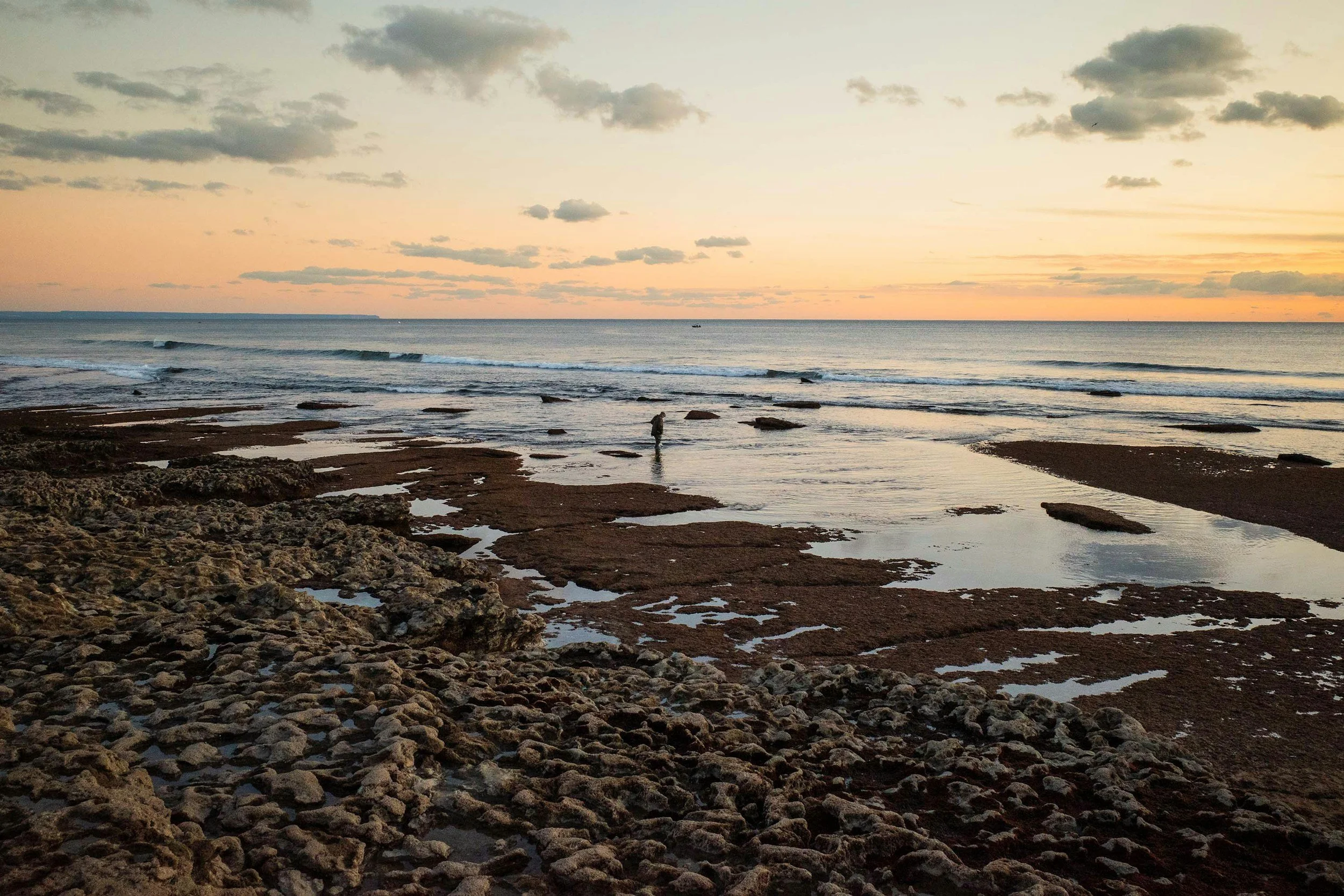
The coast: Lovely for a brisk walk, dramatic skies and space to roam. It’s not a dependable swimming holiday; wind and rough seas can change the feel of a beach quickly. Keep children close to the water’s edge and follow local safety advice.
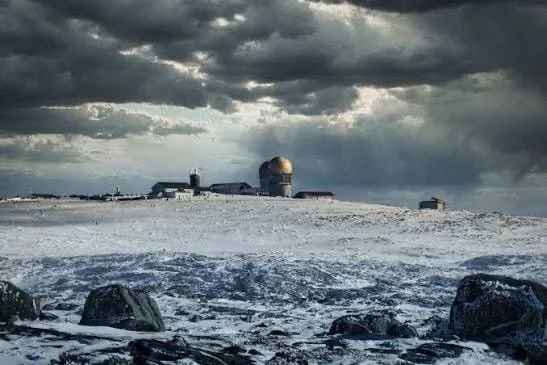
The mountains: The surprising option. Portugal does get snow, especially around Torre in Serra da Estrela, which reaches 1,993 metres.
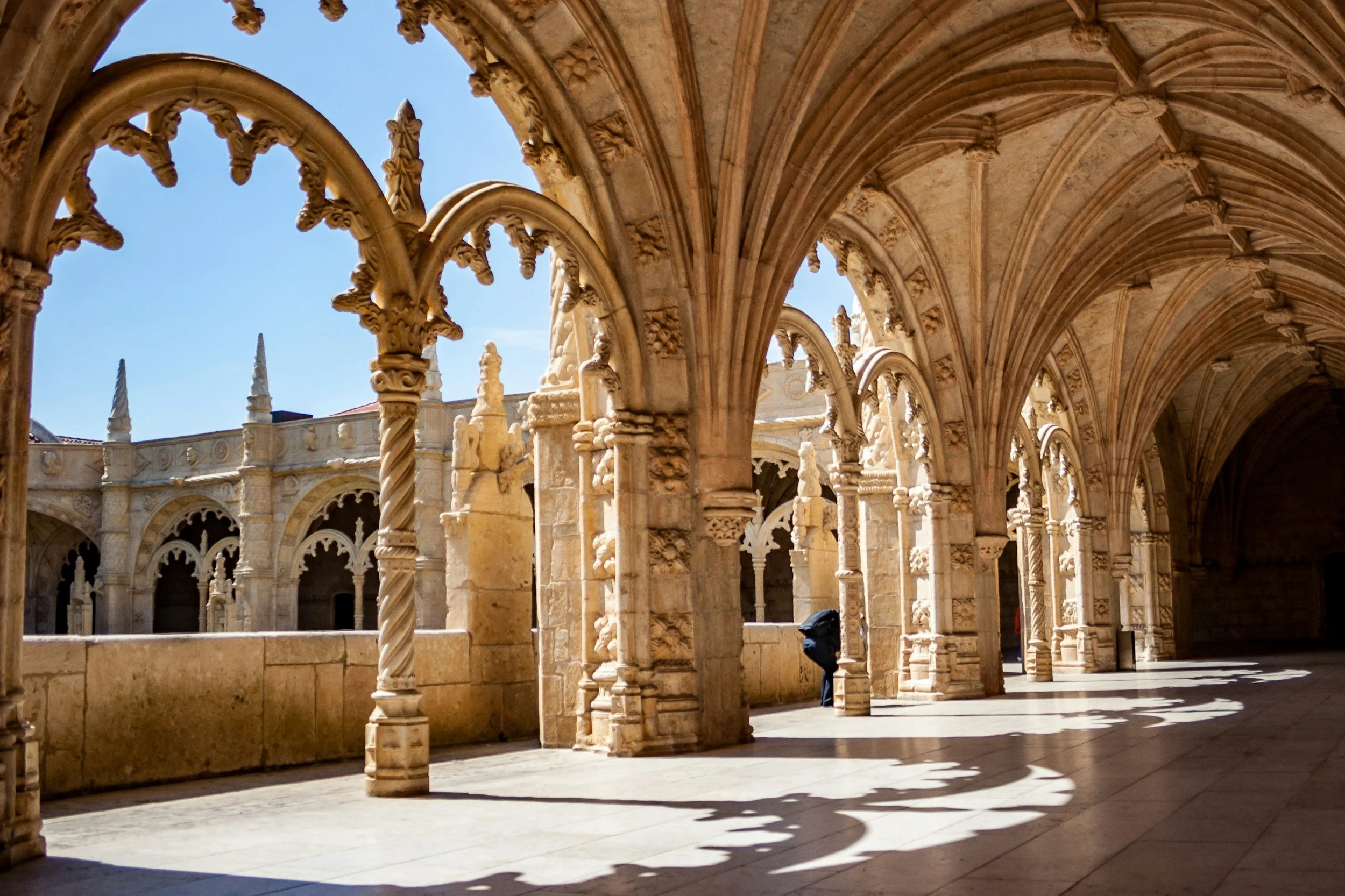
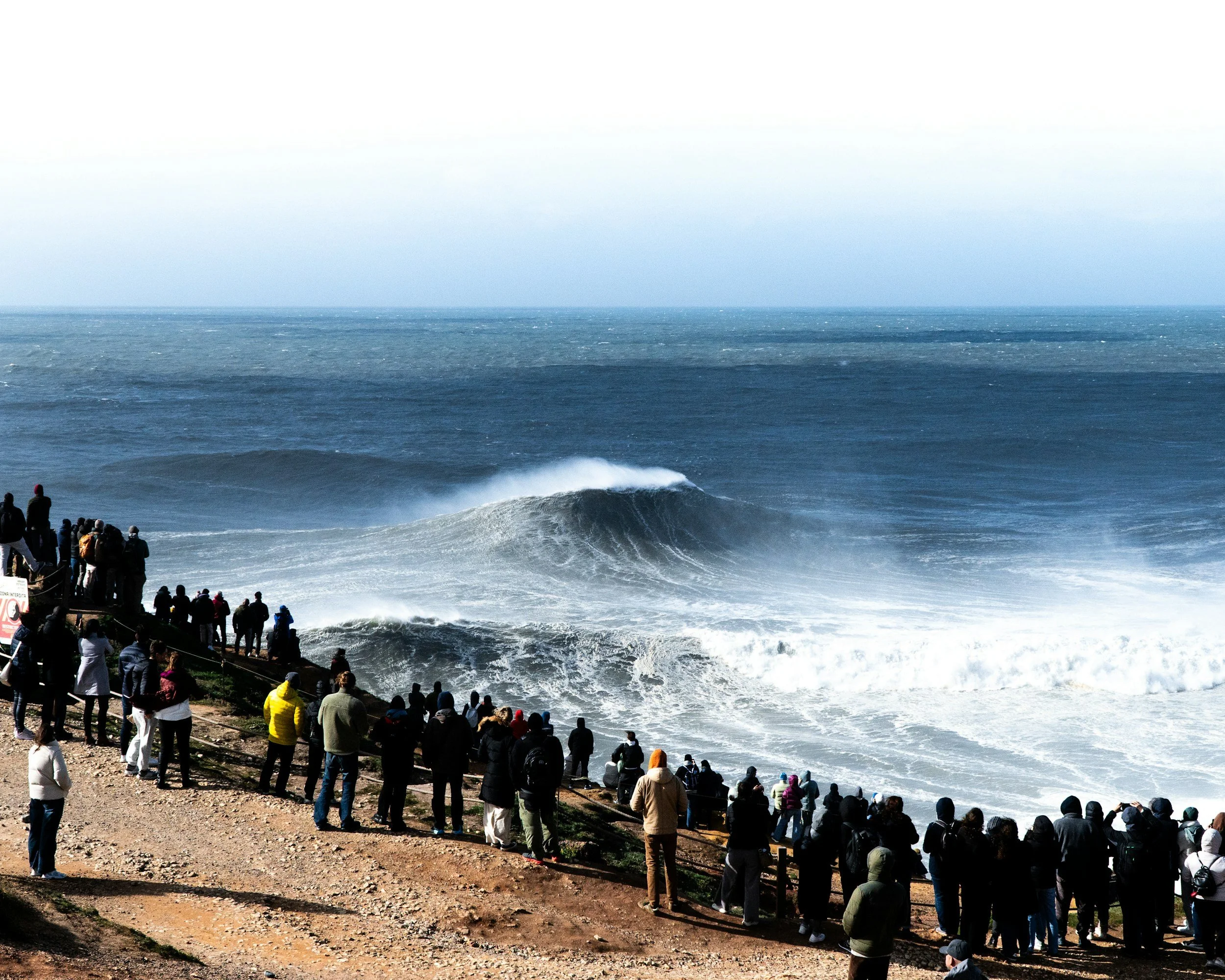
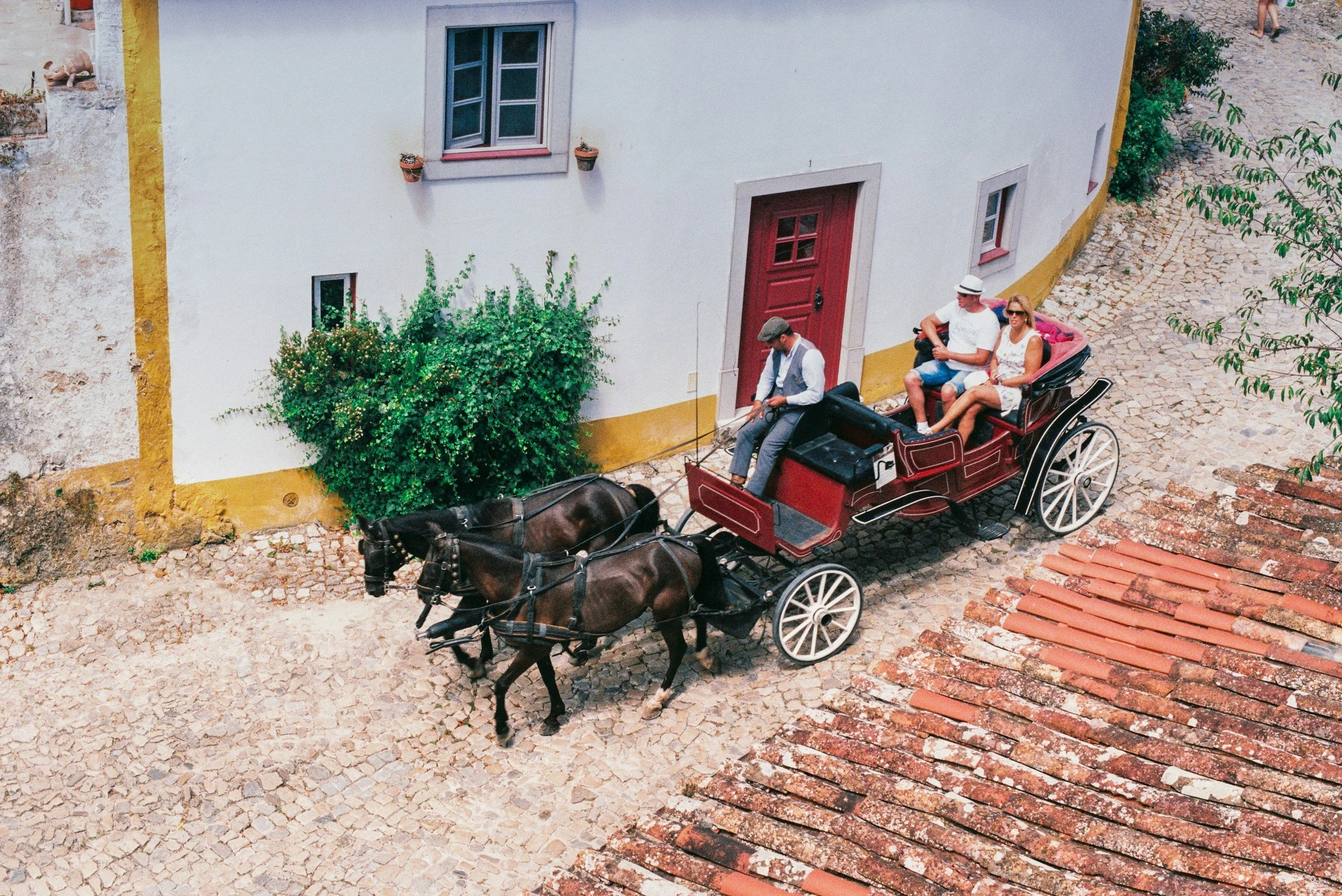
If you have time to extend the trip, Coimbra and Central Portugal with Kids adds the Bussaco Forest, Nazaré and Óbidos for a different kind of central Portugal travel. Choose one or two, not all four in a rushed drive.
Yes, there’s skiing in Portugal, but keep expectations realistic
The small ski area at Torre is a genuinely unexpected winter experience. The resort generally operates between December and April, but that is a season window, not a promise of snow or open lifts on any particular day. Conditions, road access and weather matter. Check the official ski resort website before setting out, and again before you travel.
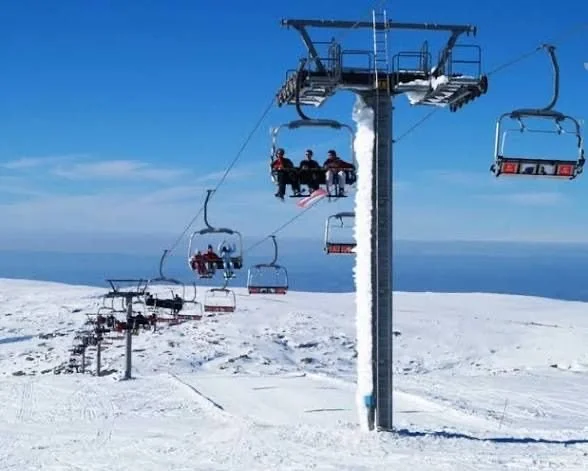
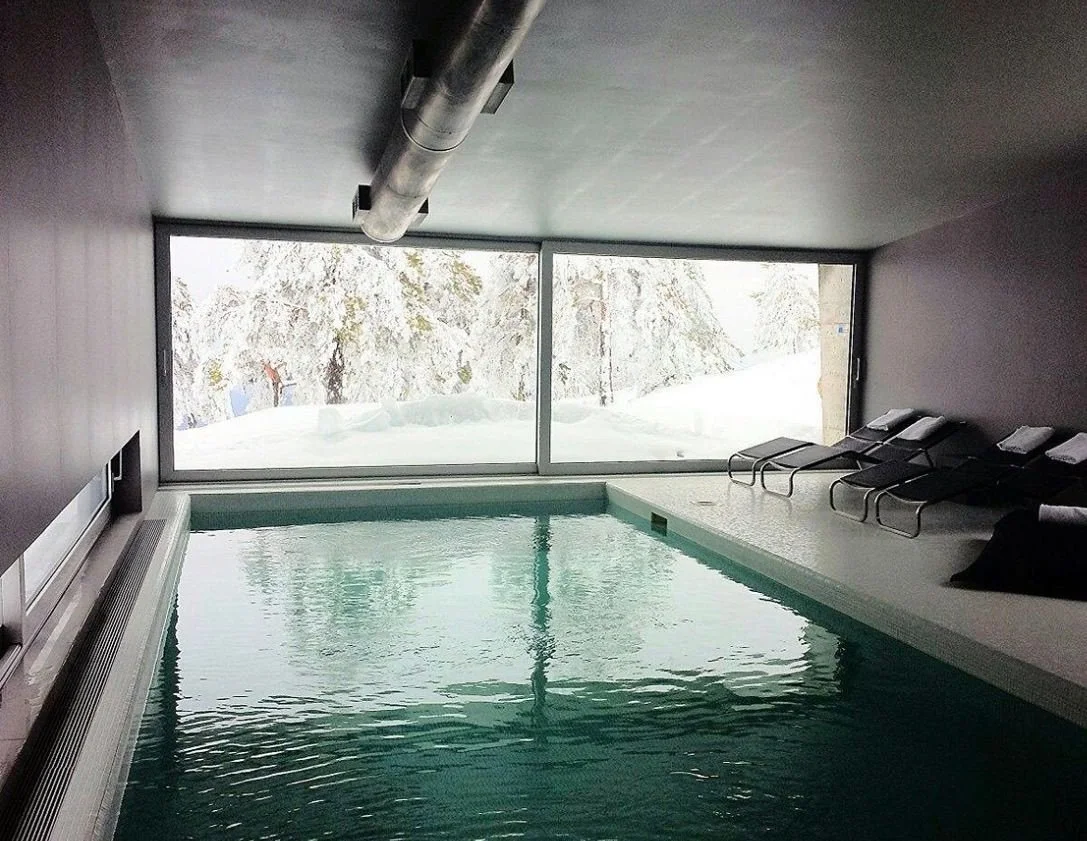
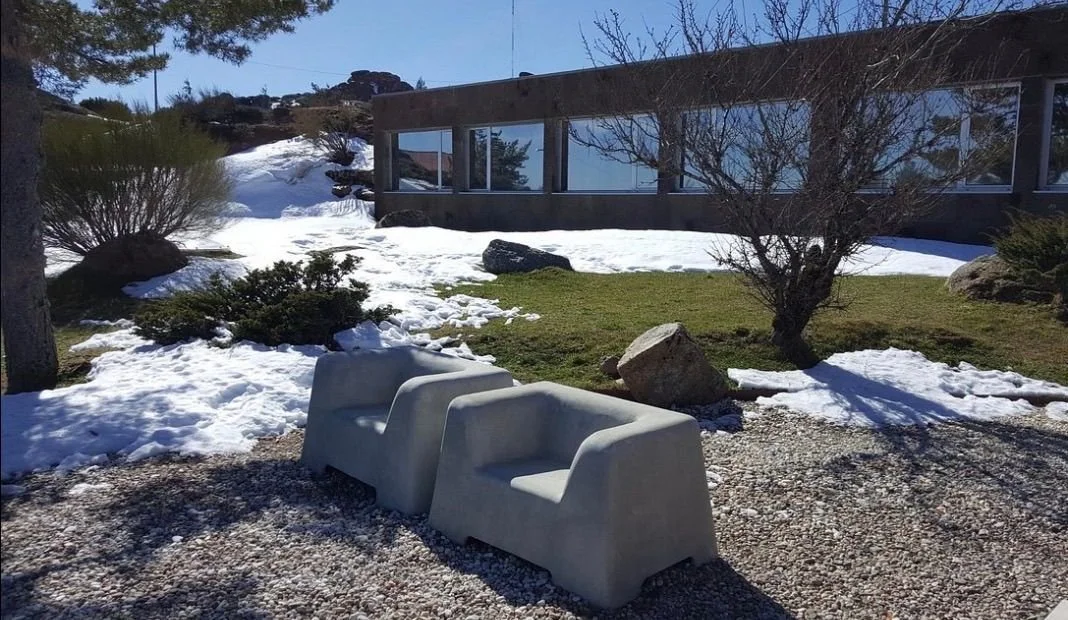
For many families, sledging is the lower-effort, higher-reward choice: children can enjoy the snow without needing to learn to ski in one day. If skiing is the goal, check what is operating, what equipment is available and whether advance booking is required. Bring warm layers, gloves, waterproof footwear and a change of clothes for children. Mountain roads can be affected by winter conditions, so don’t drive up without checking the latest local advice.
What to pack, and what winter really costs
Pack layers rather than one enormous coat. A useful family list:
Waterproof jackets and shoes for rain and wet pavements.
Warm layers, hats and gloves for evenings and the mountains.
Comfortable shoes with grip for cobbles and slick streets.
A compact umbrella and spare clothes for younger children.
Sun protection for clear days, even in winter.
For a family of four, use about €200–€430 a day as a broad planning range for accommodation, food, local transport and sightseeing, excluding flights. The lower end means a family apartment, simple meals and mostly free activities; the upper end allows for a central hotel, restaurant meals and more paid attractions. Christmas and New Year dates can cost more, so price your exact week before committing.
A winter week that leaves room to breathe
Days 1–3: Lisbon. Settle in, explore the central streets and choose one major activity each day. Keep one day flexible for rain or a relaxed outing. If it’s December, add a Christmas market in the evening.
Days 4–5: Porto. Take the train north and allow time for the journey. Walk the riverfront, explore a museum or cultural stop, and keep an indoor plan ready if the weather turns. Families considering a Douro Valley wine tour from Porto should check seasonal transport and opening details before adding it to a short winter stay.
Days 6–7: Choose your finish. Stay in Porto for a slower city break, or head towards Serra da Estrela if snow conditions are good and you’re comfortable with a weather-dependent mountain visit. Don’t try to do both at speed. The short drive on a map can become a long day once you add winter roads, stops and tired children.
For your stay, focus on practical location and room layout when comparing family hotels in Lisbon or family hotels Porto. A good base saves more energy than a packed sightseeing schedule.
Portugal in winter with kids: FAQs
Is Portugal warm in winter?
Sometimes pleasantly mild, but not reliably warm. Lisbon is usually milder than Porto, while the coast can feel windy and mountain areas are much colder. Pack layers and waterproofs.
Does it snow in Portugal?
Yes. Snow is most likely in the Serra da Estrela mountains, including around Torre, but snowfall and resort operations are weather-dependent. Check conditions before you go.
Are Portugal Christmas markets open in November?
Some start in late November, but dates vary. Check the specific market’s current information before planning your visit, especially if you’re travelling early in the month.
Is Portugal good to visit in January with kids?
Yes, if you’re happy to mix outdoor sightseeing with indoor plans. January is quieter, but rain and cool evenings are part of the deal.
What is the weather like in Portugal in winter?
Mild on the coast, wet in the north, cold in the mountains. Lisbon and the Algarve stay the gentlest, with average daytime highs of 59–64°F from November to February; Porto is a couple of degrees cooler and noticeably wetter; and Serra da Estrela is genuinely wintry, with nights below freezing and the country’s only reliable snow. Whatever the city forecast says, coastal wind can make a pleasant afternoon feel several degrees colder, so layers beat a single big coat.
The short version: winter is a smart family trip with a flexible plan
Portugal in winter works best when you choose one or two regions, dress for changeable weather and leave room to adjust. Lisbon is a dependable starting point for city sights; Porto is worth adding if you’re prepared for rain; and Serra da Estrela is a memorable bonus when snow and road conditions line up.
For a family trip that feels manageable rather than overstuffed, plan around the forecast, not the fantasy. That’s the difference between a good winter week and one spent negotiating with wet shoes.