
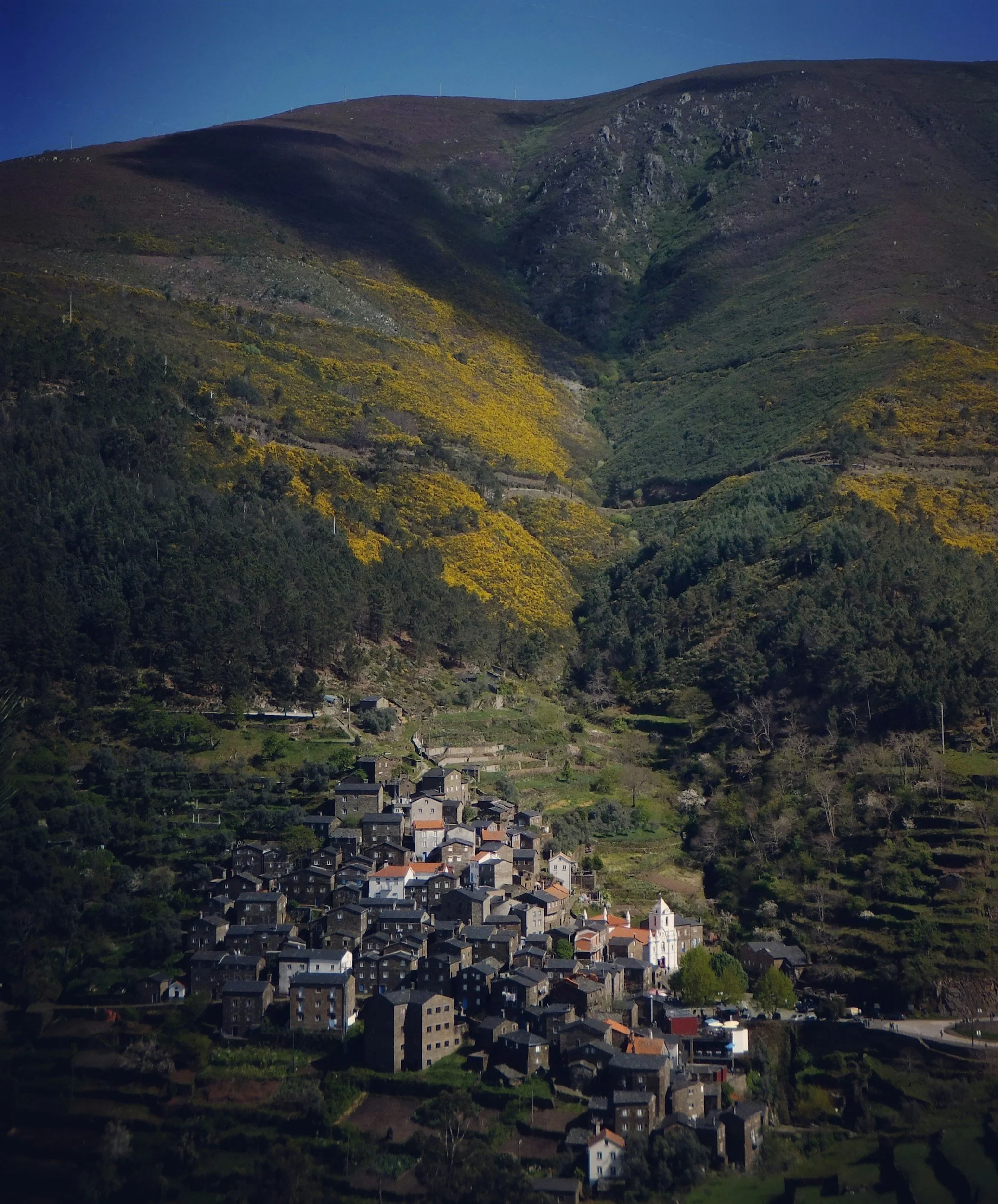
The Aldeias do Xisto look like one storybook village on a hillside. The real story is bigger: they’re a network of 27 schist-stone villages scattered across Central Portugal, in landscapes of wooded mountains, winding roads and deep valleys.
That makes them a lovely choice for Portugal off the beaten path, and a destination where a little planning makes a big difference. The villages aren’t a single walkable attraction. They’re spread across a wide region, and the drive between two places that look close on a map can take longer than expected.
For a first family visit, focus on the Serra da Lousã cluster. It’s roughly an hour from Coimbra, depending on your destination and route, and gives you the best chance of pairing village lanes with forest, viewpoints and a proper lunch stop. If you’re already planning a stay in Coimbra and Central Portugal with kids, this is one of the most rewarding ways to take your trip beyond the city.
The 27 villages aren’t one big village-hopping route
The schist villages are vast, there are 27 villages is a regional network. The villages are grouped across several areas, including Serra da Lousã, Serra do Açor, Zêzere and Tejo-Ocreza. Trying to cover too many in one outing means spending more time in the car than exploring.
The better plan is to choose a small cluster and leave room for the roads, a snack and the inevitable “let’s see what’s around that corner” pause. The official Aldeias do Xisto territory map is useful when you’re deciding which villages fit together.
For a first visit, start with the Serra da Lousã area. Talasnal is the best-known stop; nearby villages such as Cerdeira, Candal, Casal Novo and Chiqueiro can make a good extension if you have time. You don’t need to visit all of them. Two or three well-chosen stops are more enjoyable than a hurried tour of five.
Talasnal is the headline, but the approach is part of the visit
Talasnal is perched in the Lousã mountains, about 12 kilometres from Lousã. As you approach, the road winds through forest before the dark stone houses come into view on the slope. The scenery changes the outing from “drive to a village” into a proper mountain excursion.
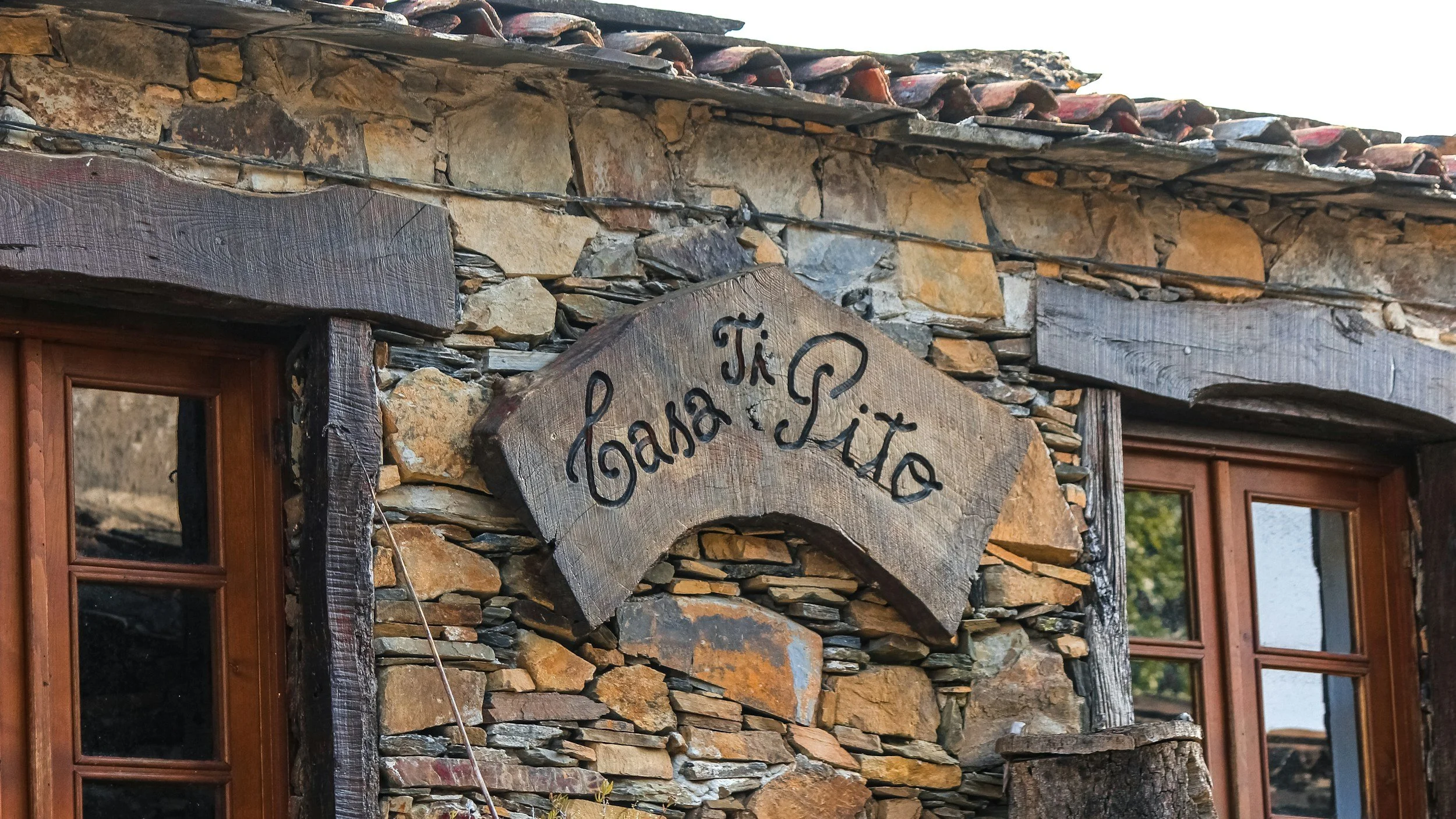
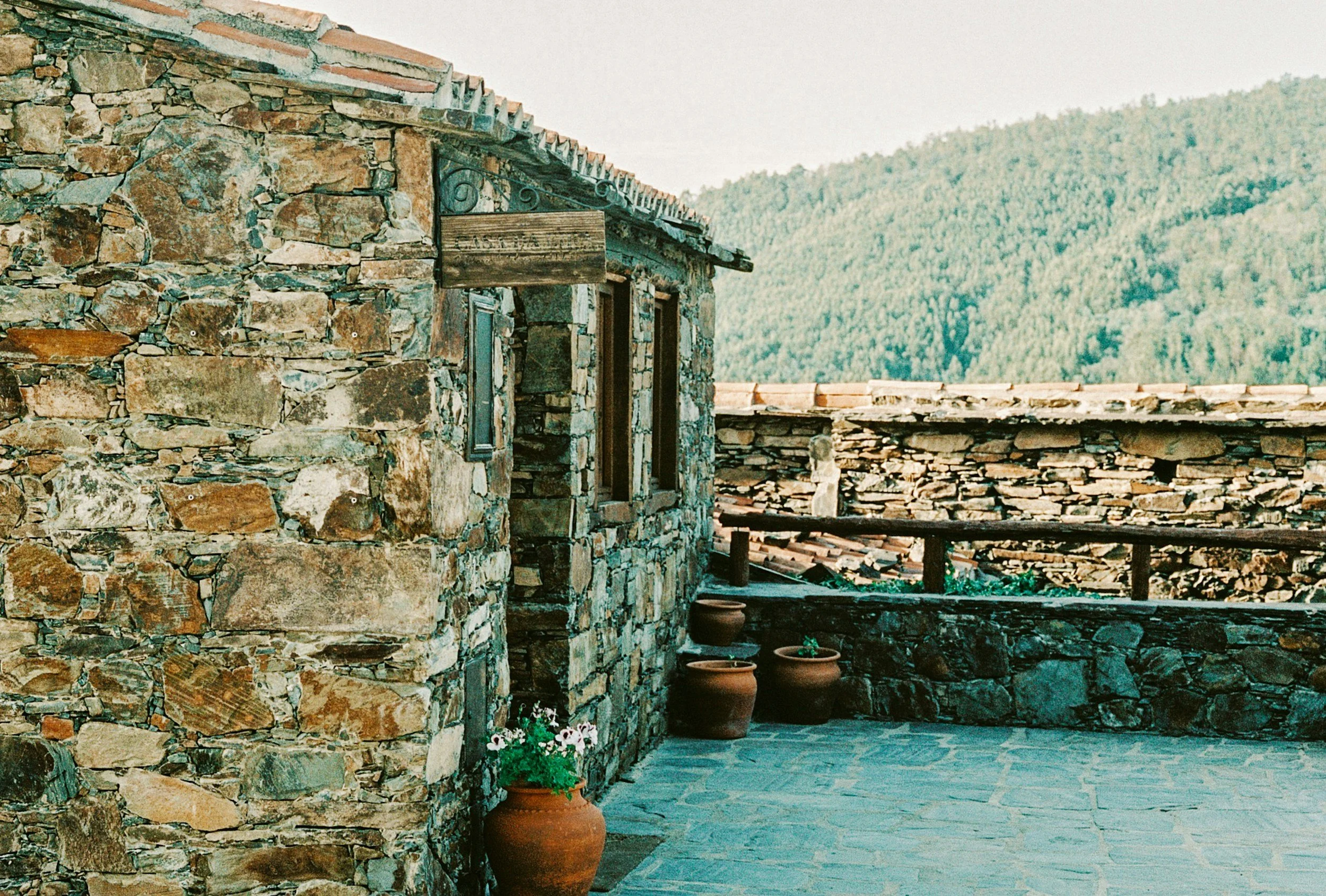
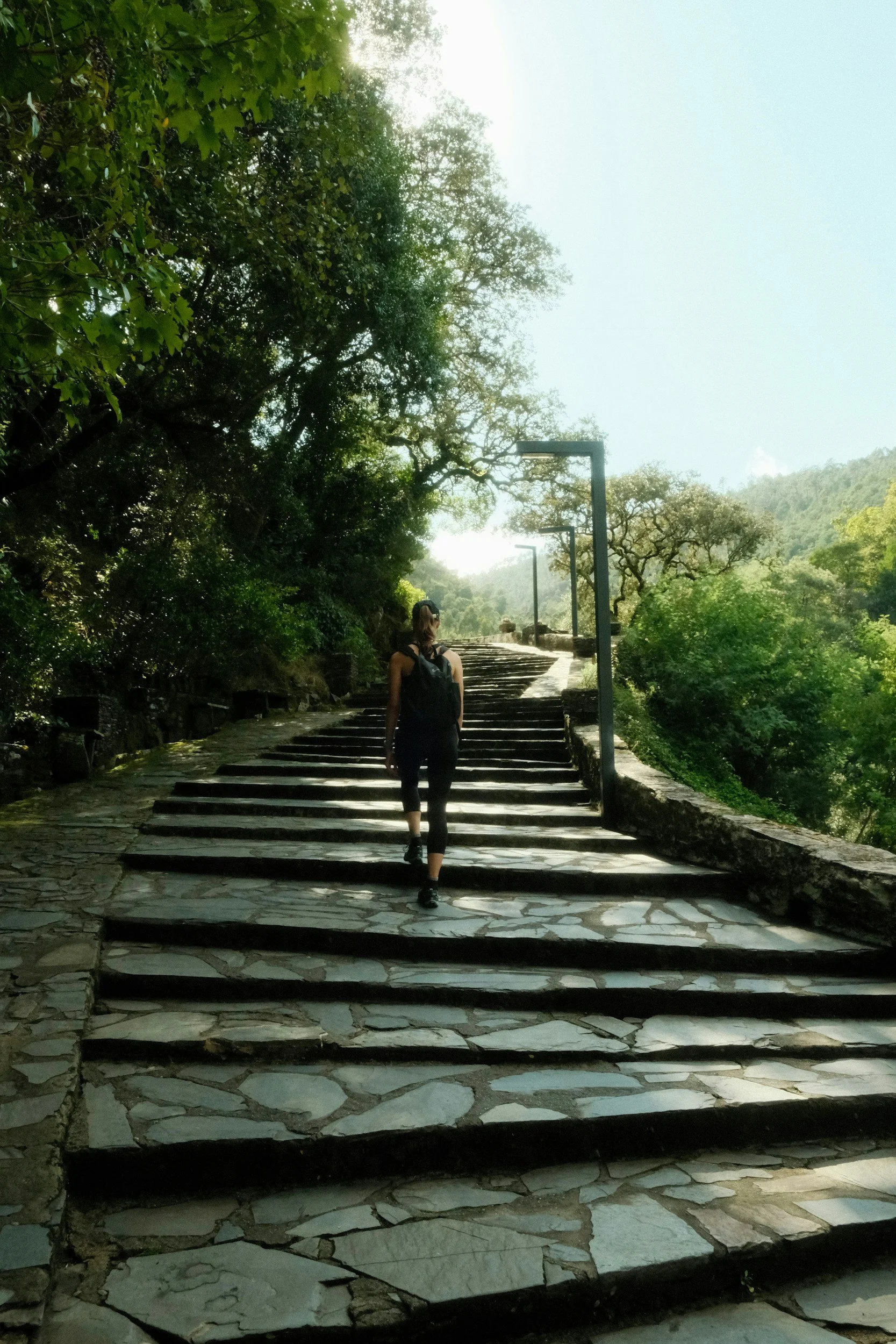
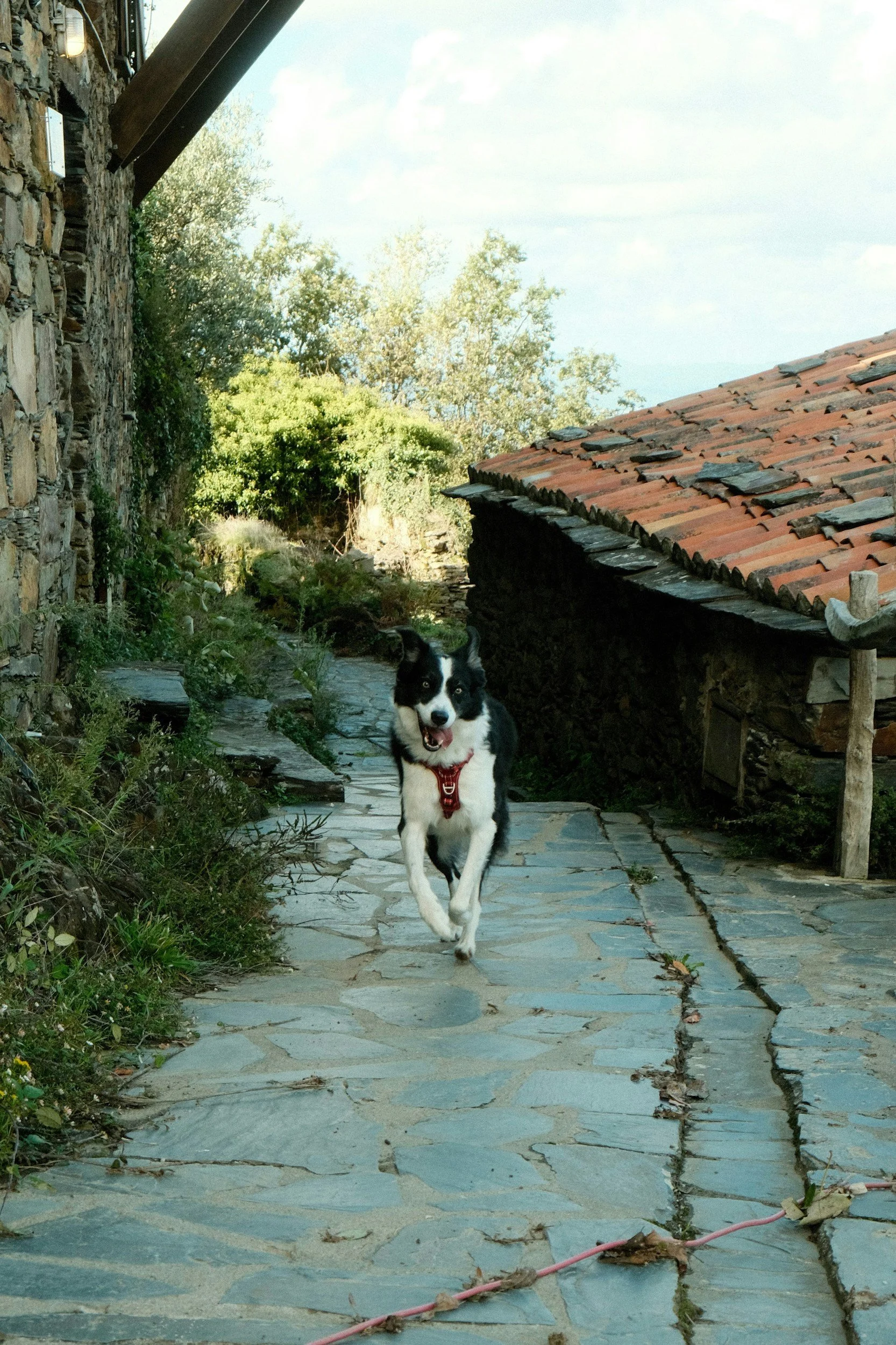
Once you arrive, wander at a family pace. The stone lanes are narrow, uneven and steep in places, with little turns that open onto hillside views. This is not a village designed for pushing a stroller around easily. For toddlers, a carrier is usually the more practical choice; for older children, the lanes are inviting to explore (with an adult close by near slopes and steps).
Allow 1.5 to 3 hours for Talasnal, depending on whether you stop for food and how much everyone wants to wander. A quick look around is possible, but it can feel rushed. This is your lunch stop if the village café or restaurant is open, and it’s worth checking hours before you set off, especially outside busy periods.
Which villages should your family choose?
Different villages bring different reasons to stop. Keep your plan simple:
Choose Talasnal for the classic mountain-village setting, stone lanes and a café or meal break.
Choose Cerdeira if you’re interested in the area’s arts and craft atmosphere. Check ahead for current activities or openings.
Add Candal for another small village stop on a mountain route.
Add Casal Novo or Chiqueiro if the family still has energy and the road and weather suit your plan.
A guided day trip can be a smart option if you’d rather look out the window than navigate narrow, winding roads. A guided outing is about four hours, though routes and what’s included vary. Ask the operator which villages are covered and whether there’s time to walk around, rather than assuming the tour visits every place you have in mind. The Coimbra post also mentions this guided Schist Villages and medieval castles tour; confirm current details directly before booking.
Getting there: the short distance can be a slow drive
A car gives you the most freedom to explore Lousã, Portugal, and the surrounding villages. But these are mountain roads, not quick links between city sights. Expect curves, narrower sections and limited parking near some village lanes. Drive in daylight where possible, download your route before leaving, and don’t assume mobile reception will be reliable all the way.
Without a car, you can reach the Coimbra–Lousã area by public transport, but reaching several remote villages from Lousã is more complicated. A guided outing, local transfer or carefully planned hike is a better bet than trying to stitch together an improvised bus day with tired children.
A few unglamorous logistics make the visit smoother:
Wear shoes with grip. Stone paving can be slick after rain.
Bring water and snacks. Services are limited and opening times vary.
Pack layers and a rain jacket. Mountain weather can change quickly.
Keep children close on steep lanes and uneven edges.
Check restaurant, tour and road details before you leave.
If you’re visiting in winter, plan around shorter daylight and changeable weather. Our winter in Portugal with kids guide has broader seasonal advice; for current local events and activities, check the official Aldeias do Xisto website.
Make it a countryside day, not a village sprint
For most families, a relaxed visit two villages is the sweet spot. Start from Lousã or Coimbra in the morning, explore Talasnal, stop for lunch if somewhere is open, then decide whether everyone has the energy for one more village. You’ll enjoy the views more if you’re not watching the clock between every stop.
If you have a full day, pair a village visit with nearby nature or a stop in Lousã. If you have only a few hours, choose Talasnal and give it time. A memorable visit is not about ticking off landmarks but seeing how the houses, lanes and slopes fit together in a lived-in mountain landscape.
The Schist Villages also work well as one part of a wider central Portugal travel itinerary. From Coimbra, you can combine the villages with the university and Joanina Library, though those are separate outings, not sights to squeeze into the same rushed afternoon. For more time in the region, consider other stops such as Bussaco Forest. Nazaré Portugal and Óbidos Portugal are different coastal and historic-town detours, so plan them separately rather than treating them as nearby village stops.
And if your wider route includes big-city days, our guides to Lisbon with kids and Porto with kids can help balance the trip. A Porto travel guide or Porto 3 day itinerary answers a different planning question; likewise, a Douro Valley from Porto outing is its own day-trip decision. Compare family hotels in Lisbon and family hotels Porto by location and room setup, not just by the photos. Travelling in December? Check dates for Portugal Christmas markets rather than assuming every market runs throughout the season.
Schist Villages with kids: frequently asked questions
How many Schist Villages are there in Portugal?
There are 27 villages in the Aldeias do Xisto network, spread across Central Portugal. They’re grouped into different areas, so choose one cluster rather than trying to see them all in a day.
How far is Talasnal from Coimbra?
It’s roughly an hour from Coimbra by car, depending on traffic, route and conditions. Talasnal is about 12 kilometres from Lousã, but the mountain road means that distance doesn’t translate into a quick drive.
Is Talasnal suitable for children?
Yes, for families comfortable with uneven ground. The lanes are atmospheric, but some are steep and cobbled. Keep young children close, and consider a carrier instead of a stroller for toddlers.
Can you visit the Schist Villages without a car?
Yes, but it takes more planning. Public transport can get you toward Lousã, but it doesn’t make a multi-village day easy. Consider a guided trip or arrange local transport in advance.
How long should we spend in the Schist Villages?
Allow about four hours for a guided day trip, depending on the itinerary. If you’re driving independently, a half-day focused on Talasnal and one nearby village is a comfortable starting point.
Our recommendation: choose a small cluster and slow down
The Aldeias do Xisto are worth adding to a family trip if you want to see a quieter, more rural side of Portugal. Start with Talasnal and the Serra da Lousã villages, allow time for the winding drive, and don’t expect to cover all 27 in one go.
Two or three villages, a long lunch and room to stop for the view make a far better day than a packed route. That’s precisely the point.